World-Class Bird and Wildlife Photography
Join Natur&Foto in Hungary for an unforgettable spring week with the world-renowned nature photographer Bence Máté. You will gain access to some of the most advanced photography hides in the world, an impressive diversity of birds and wildlife, and photographic opportunities that are difficult to match anywhere else.
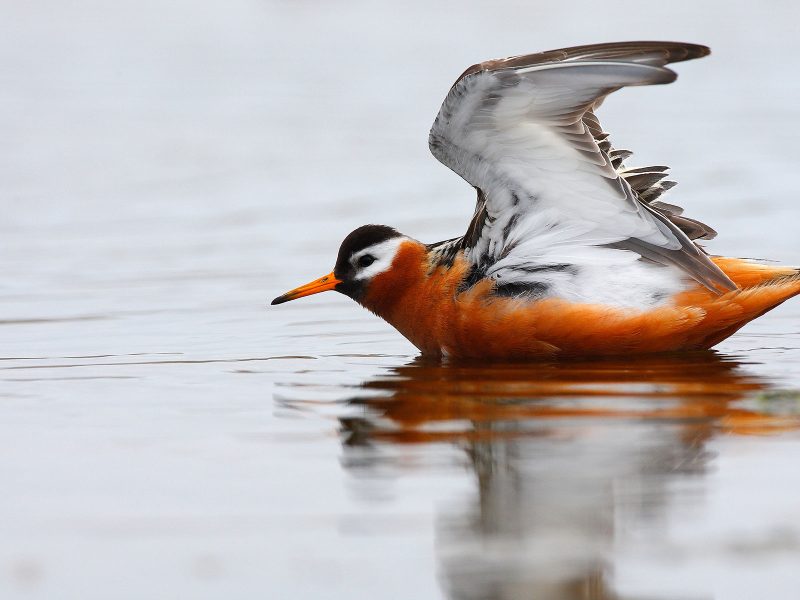
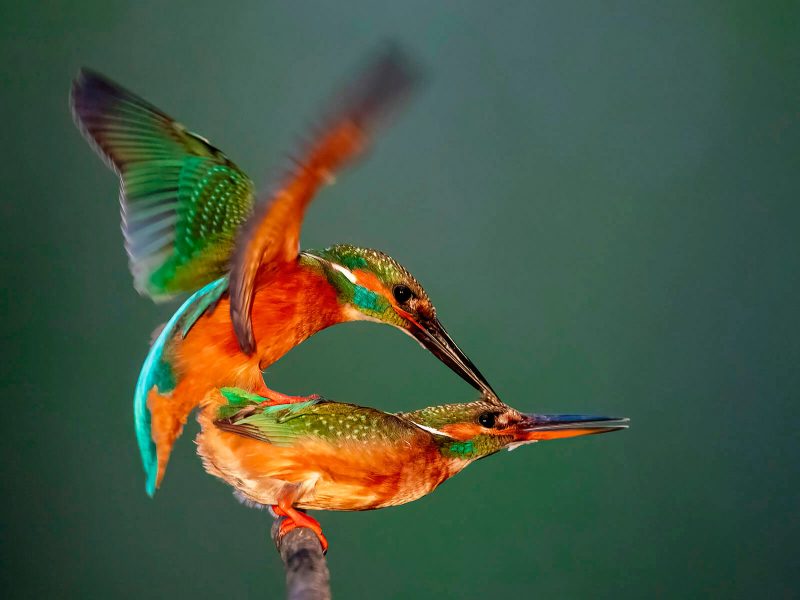
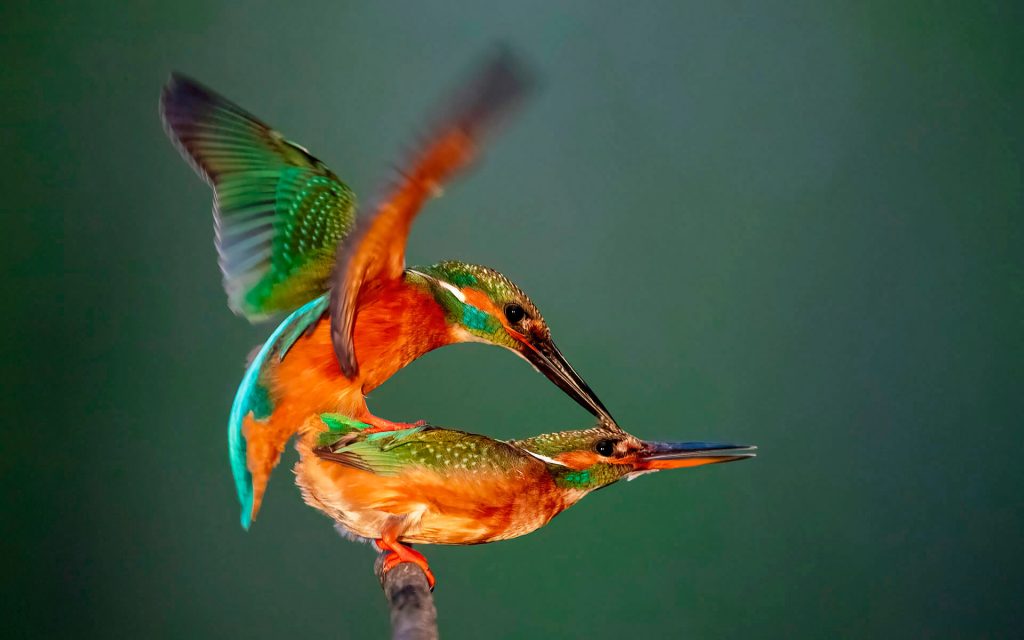
Spring is one of the most exciting times to visit Kiskunság National Park. In April, many birds are actively displaying, forming pairs and establishing territories, with high levels of activity throughout much of the day. This provides excellent opportunities to photograph fascinating behaviour, wing movements, poses and interactions between birds.
In addition to portraits and environmental images, we may witness courtship displays, territorial disputes and other situations that occur only during this intense period of the year. Throughout the week, we rotate between the different hides, ensuring that all participants experience a wide variety of species, situations and photographic opportunities.
The Inventive Genius of Nature Photography
Bence Máté is one of the world’s most highly regarded nature photographers and a pioneer in the development of photography hides. He can rightly be described as the inventive genius of nature photography.
Over many years, he has developed highly specialised hides for photographing species including kingfishers, birds of prey, herons, storks, hoopoes, European ground squirrels and otters.
The hides are designed to allow photographers to get extremely close to their subjects without disturbing them. Many are positioned at ground level or at water level, allowing you to photograph birds from their own perspective.
The low camera angle creates a unique sense of intimacy with the subject, while the foreground and background often become soft and pleasing. This provides ideal conditions for creating images with a professional appearance.
In the Heart of One of Hungary’s Richest Bird Areas
Bence Máté’s property is situated in Kiskunság National Park, a unique landscape of wetlands, lakes, grasslands and woodland. The area supports a rich diversity of birdlife, and the placement of each hide has been carefully planned around the species, the light and the needs of photographers.
Several of the hides are unique anywhere in the world.
One of the most spectacular hides is situated beside a lake within the national park. Camouflage screens have been installed along the route leading to the hide so that the birds cannot see photographers entering.
Beside the lake stands a small building with two bedrooms and an office. From the office, a staircase leads down to an approximately ten-metre-long tunnel running beneath the mud bank. At the end of the tunnel is the photography hide itself: a specially designed glass structure positioned out in the water.
Here, you sit comfortably on a chair with a specially designed tripod head in front of you. The camera can be moved in many directions while you photograph at water level.
The birds cannot see the photographers through the tinted glass. A black curtain behind the seating area prevents distracting light from entering. To photograph in the opposite direction, the lens can be placed through an opening in the curtain.
Herons, storks, cormorants and other waterbirds may appear immediately outside the hide at extremely close range.
Bence also has a similar water-level hide known as the “Underwater Hide”. From here, we can photograph a variety of waterbirds, and with a little luck, an otter may also appear.
Which Species Can We Photograph?
There are permanent photography hides for species including:
- kingfisher
- common kestrel
- hoopoe
- European ground squirrel
- common buzzard
- Eurasian sparrowhawk
- northern goshawk
- black woodpecker
At the water hides, we may encounter species including:
- grey heron
- great egret
- black-crowned night heron
- pygmy cormorant
- great cormorant
- black stork
- water rail
- other waterbirds
- otter
- beaver
Almost anything can appear at the drinking stations and bathing pools. Some of the more exciting visitors include Eurasian sparrowhawk, northern goshawk, common buzzard, European turtle dove, black woodpecker and long-tailed tit.
Many more common species also visit to drink and bathe, including hawfinch, European goldfinch, great spotted woodpecker, common blackbird, song thrush, European robin, common chaffinch, tits and various warblers.
Activity levels can be high, and memory cards can fill up quickly. At this time of year, many species are occupied with courtship, territorial behaviour and pair formation. Exciting situations can therefore develop at very short notice.
The species we are able to photograph will naturally vary according to the weather, migration timing, breeding activity and which hides are operational during our stay.
A Workshop for All Experience Levels
The trip is suitable for beginners, experienced enthusiasts and professional photographers. You should have a basic understanding of your own camera equipment, but the tour leader will be available throughout the trip to provide photographic advice and practical guidance.
You can receive assistance with:
- camera settings
- choosing shutter speeds and apertures
- autofocus settings
- exposure
- composition
- making the most of light and backgrounds
- photographing birds in flight
- backing up images and developing a practical workflow
No particular level of physical fitness is required. Transport is provided directly to, or close to, most of the hides, and the photography is mainly carried out while seated.
Above all, this is an intensive photography week for those who want to spend many hours behind the camera and return home with a varied and exciting portfolio of images.