Date

Place

Difficulty

Spots

Price

Madagascar – The Kingdom of Lemurs

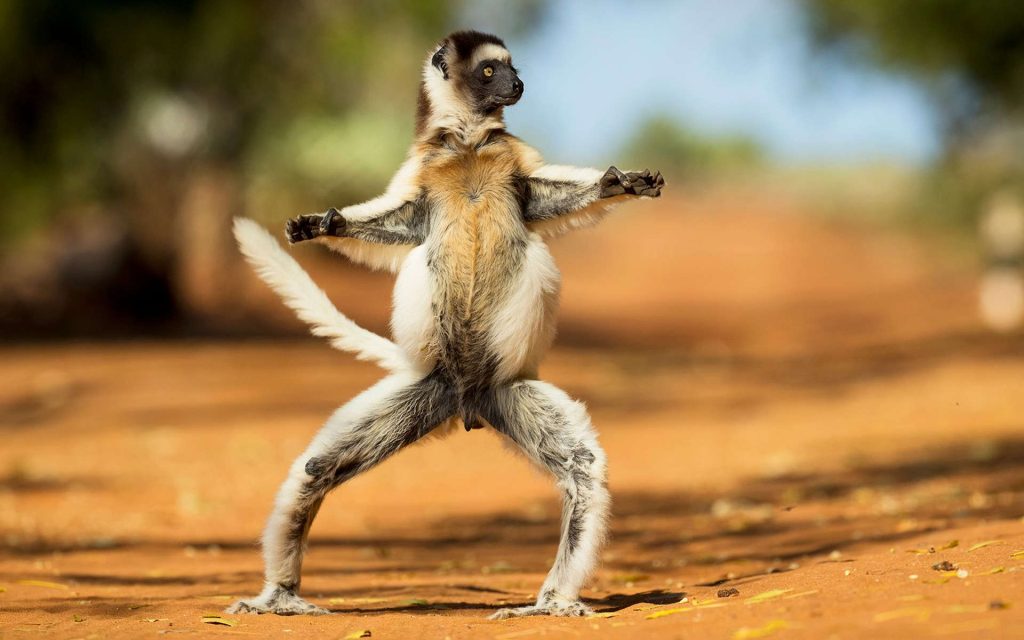
Bli med Natur&Foto på en uforglemmelig fotosafari til eventyrlige Madagaskar! I lemurenes rike venter spektakulære danseforestillinger, eksotiske konserter og mystiske møter med nattens spøkelser.

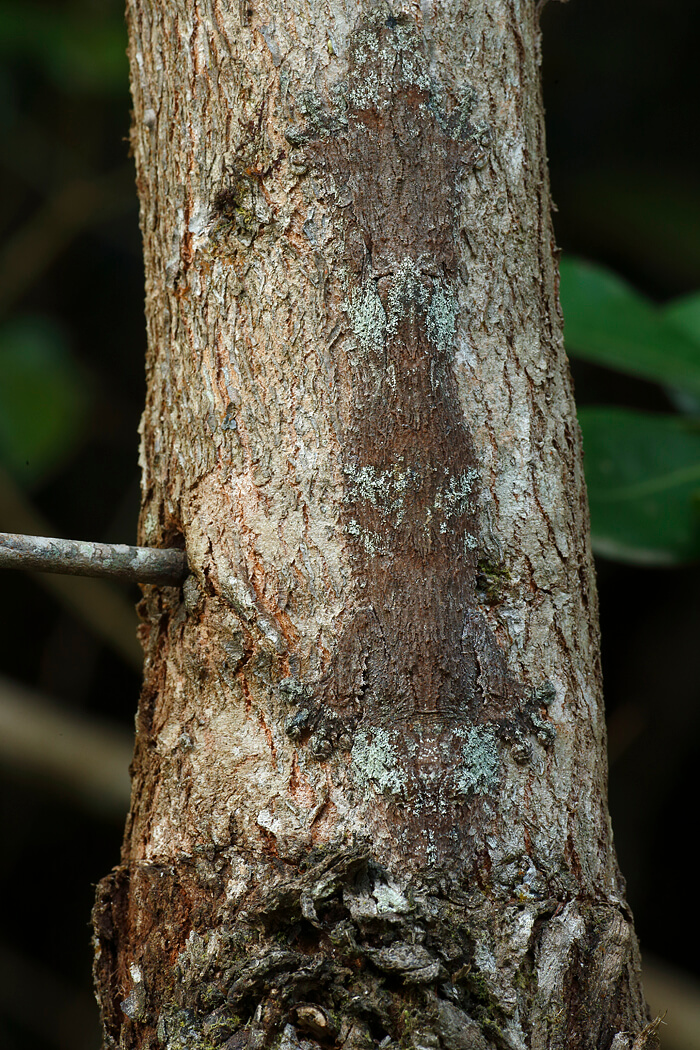
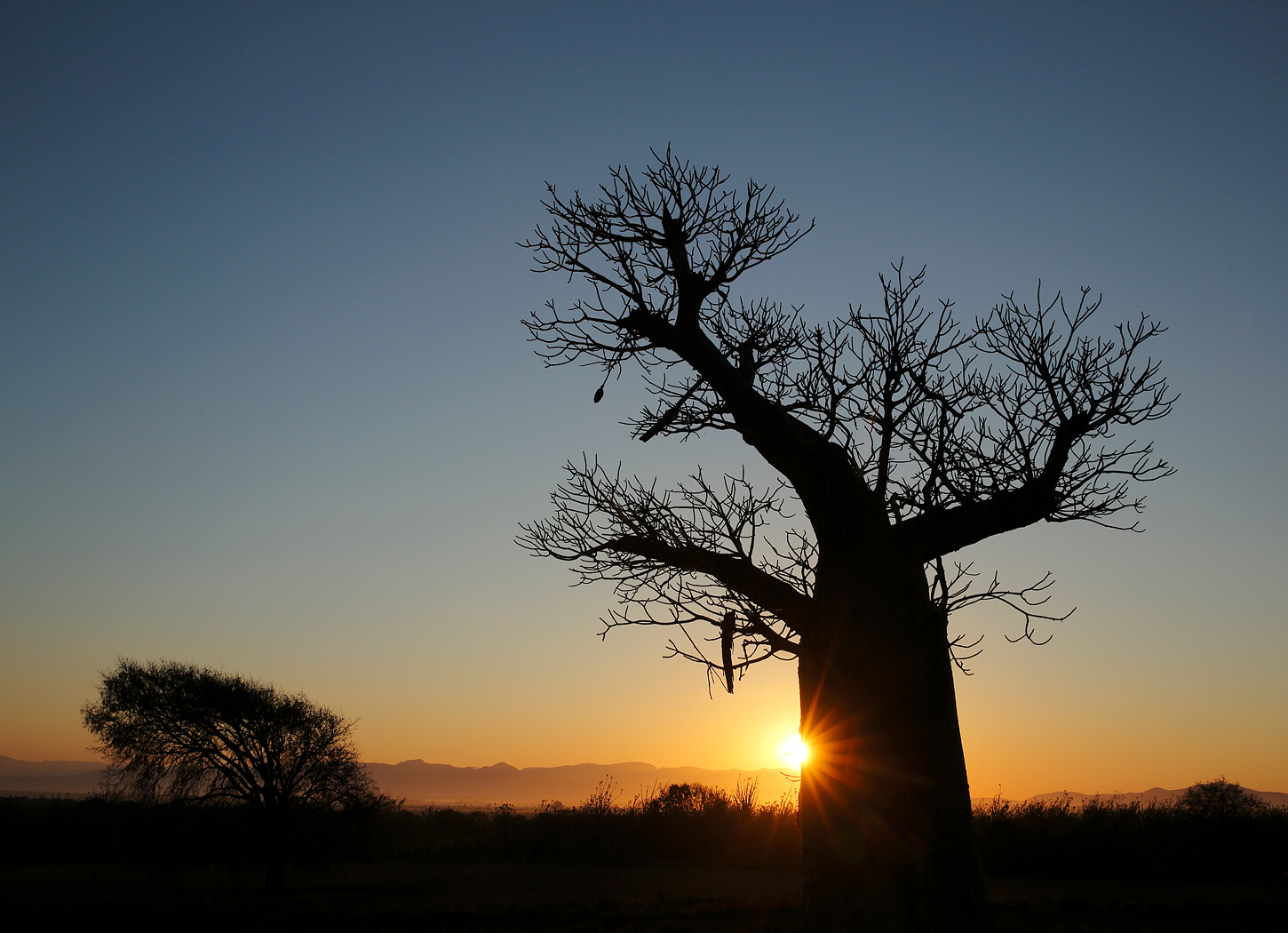
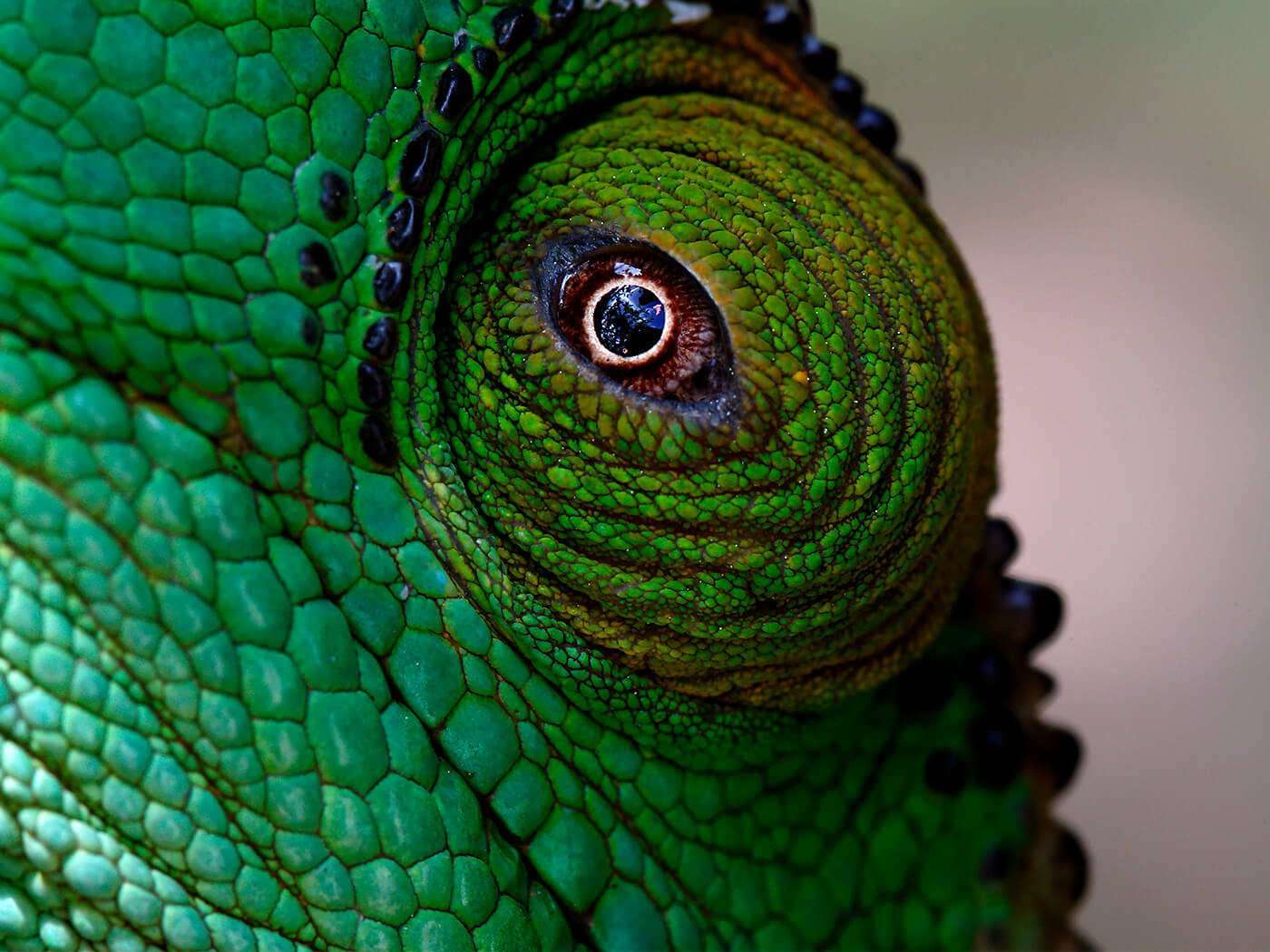
Her skjuler bladhalegekkoer seg som levende kamuflasjekunstnere, fargerike kameleoner klatrer mellom grenene, og underlige blekkspruttrær og majestetiske baobabtrær skaper landskap du knapt finner maken til. Madagaskar er et paradis for naturfotografering og naturopplevelser, en øy full av overraskelser, unike arter og magiske opplevelser!

Madagaskar er verdens fjerde største øy og et afrikansk land i Det indiske hav. Den ble befolket av innvandrere fra Indonesia for ca. 1500 år siden. Fra 1896 til 1960 var landet fransk koloni. Folket kalles madagassere eller gassere.

Madagaskar kan deles i fem geografiske regioner. Den østlige kysten, Tsaratanana-massivet i nord, det sentrale høylandet, den vestlige kysten og de sørvestlige områdene. Det er to årstider på Madagaskar, en varm og regnfull fra desember til april, mens en kjøligere og tørr periode varer fra mai til oktober. Vindene kommer stort sett fra sørøst, og sykloner kan opptre av og til.

Madagaskars lange isolasjon fra kontinentene rundt gjør at det har oppstått et unikt biologisk mangfold, og mange av landets dyr og planter finnes ingen andre steder i verden. Omtrent 150 000 av artene som lever på Madagaskar, eller 80 prosent, finnes kun på øya. Det er i alt 112 ulike lemurarter, hver art har sitt unike leveområde på øya. Dessverre er avskoging et stort problem, og mange av artene på øya er nå truet.

På denne reisen vil du få se et tverrsnitt av øya, fra regnskogene i nord til de tørre skogene i sør. Vi vil besøke noen av de beste parkene for fotografering av lemurer, men underveis vil vi også fotografere kameleoner og andre reptiler, samt endemiske fuglearter, for ikke å glemme landskap og fargerike folk.

Merk: Det finnes ingen giftige eller farlige skapninger på øya. Store kattedyr finnes ikke, heller ikke giftige slanger.

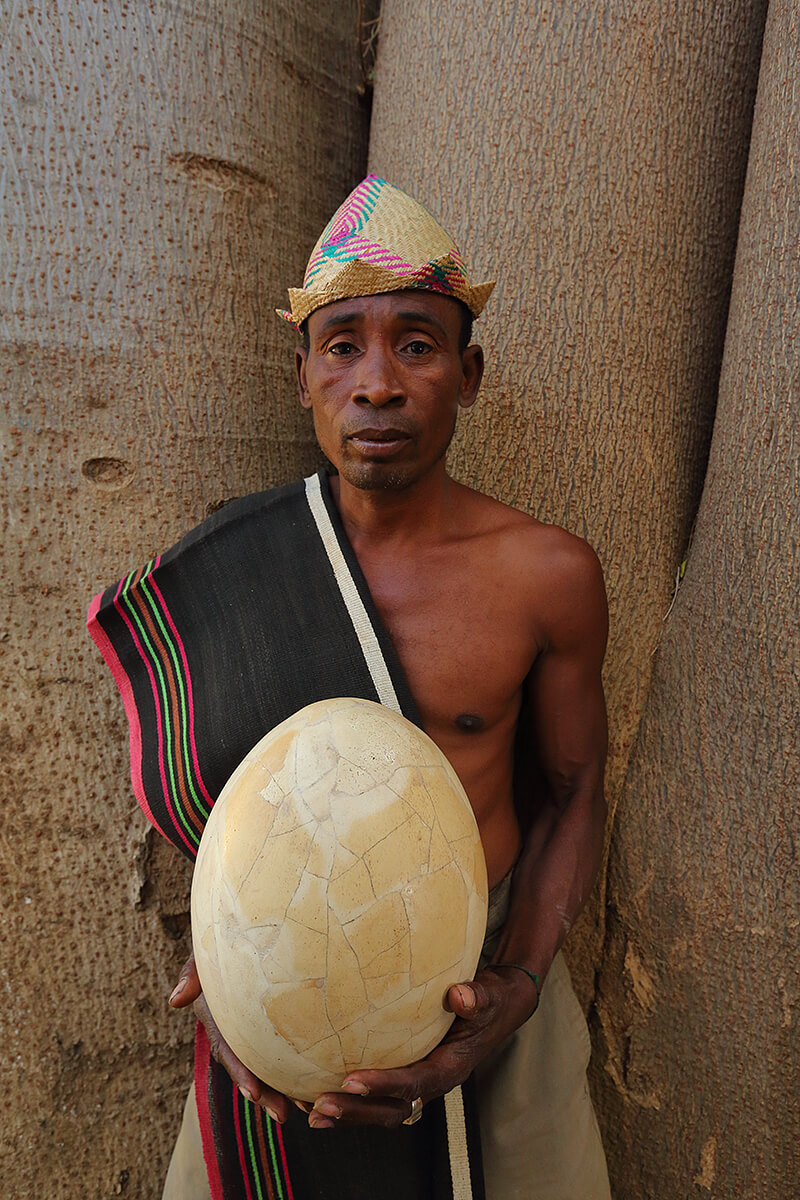
Lemurene levde i lange tider i fred og harmoni på Madagaskar. Men da mennesket kom for 1500 år siden, var det slutt på idyllen. Mange av artene hadde velsmakende kjøtt, og 15 arter ble raskt utryddet. Den største av disse var på størrelse med en gorilla og veide 200 kilo. To kjempeskilpadder ble også utryddet, likeså pygmeflodhesten og den tre meter høye elefantfuglen Aepyornis som la egg på størrelse med 150 hønseegg…

Menneskene hogg og brant skogene, og i dag er bare åtte prosent igjen av den opprinnelige skogen. Som i de fleste tropiske skogsområder er svedjebruket, eller tavy på madagassisk, vidt utbredt. Et område ryddes for trær og settes i brann for å fjerne busker og kratt. Jorda dyrkes i to-tre år og blir utpint for næringsstoffer. De fattige bøndene må så flytte videre og gjenta prosessen. Først etter noen år kan de komme tilbake til utgangspunktet.

Dette er selvfølgelig en katastrofe for både lemurer og andre skoglevende arter. Riktignok er det opprettet 18 nasjonalparker, fem naturreservater og 22 spesialreservater på øya, men disse verneområdene utgjør bare tre prosent av øyas landareal. I disse få prosentene finner du mesteparten av øyas spennende biologiske mangfold.

Dette er hovedområdene vi skal besøke:

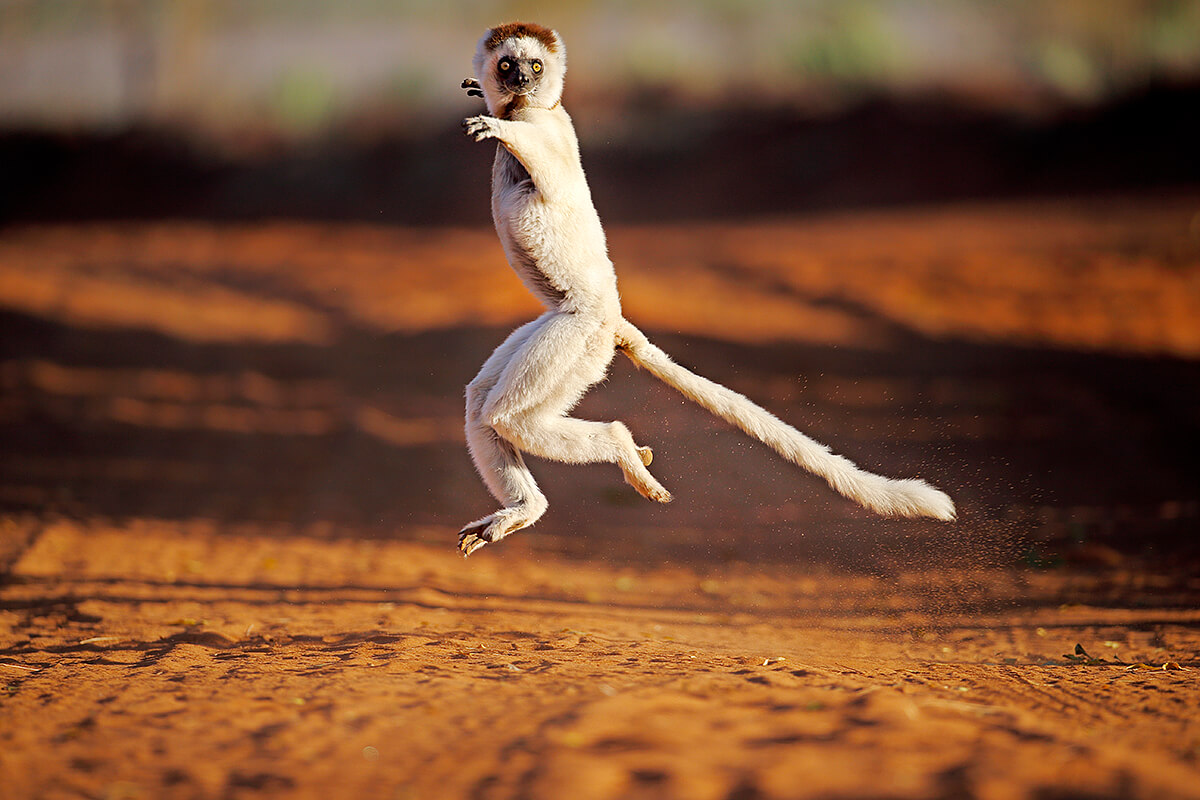
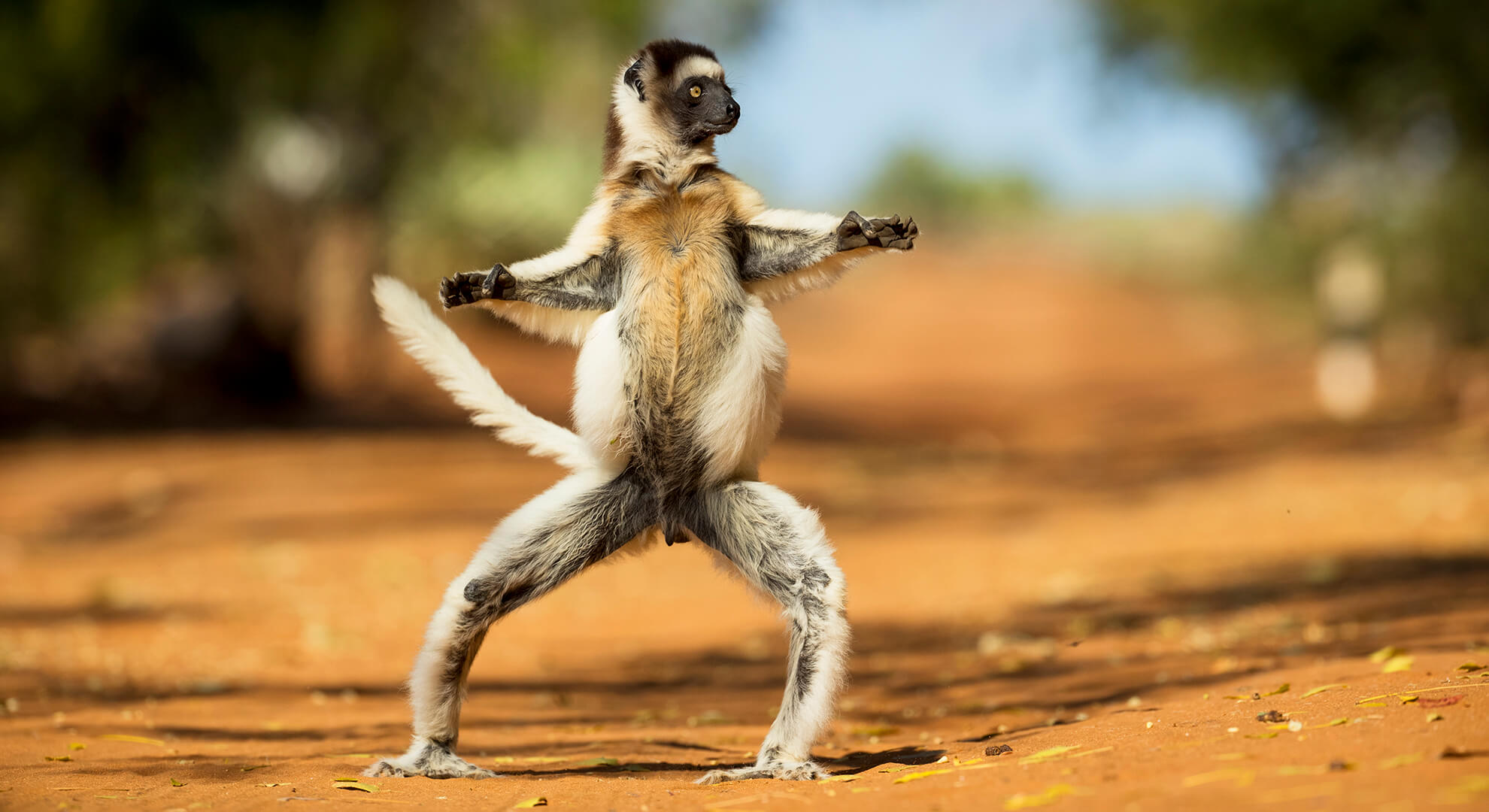
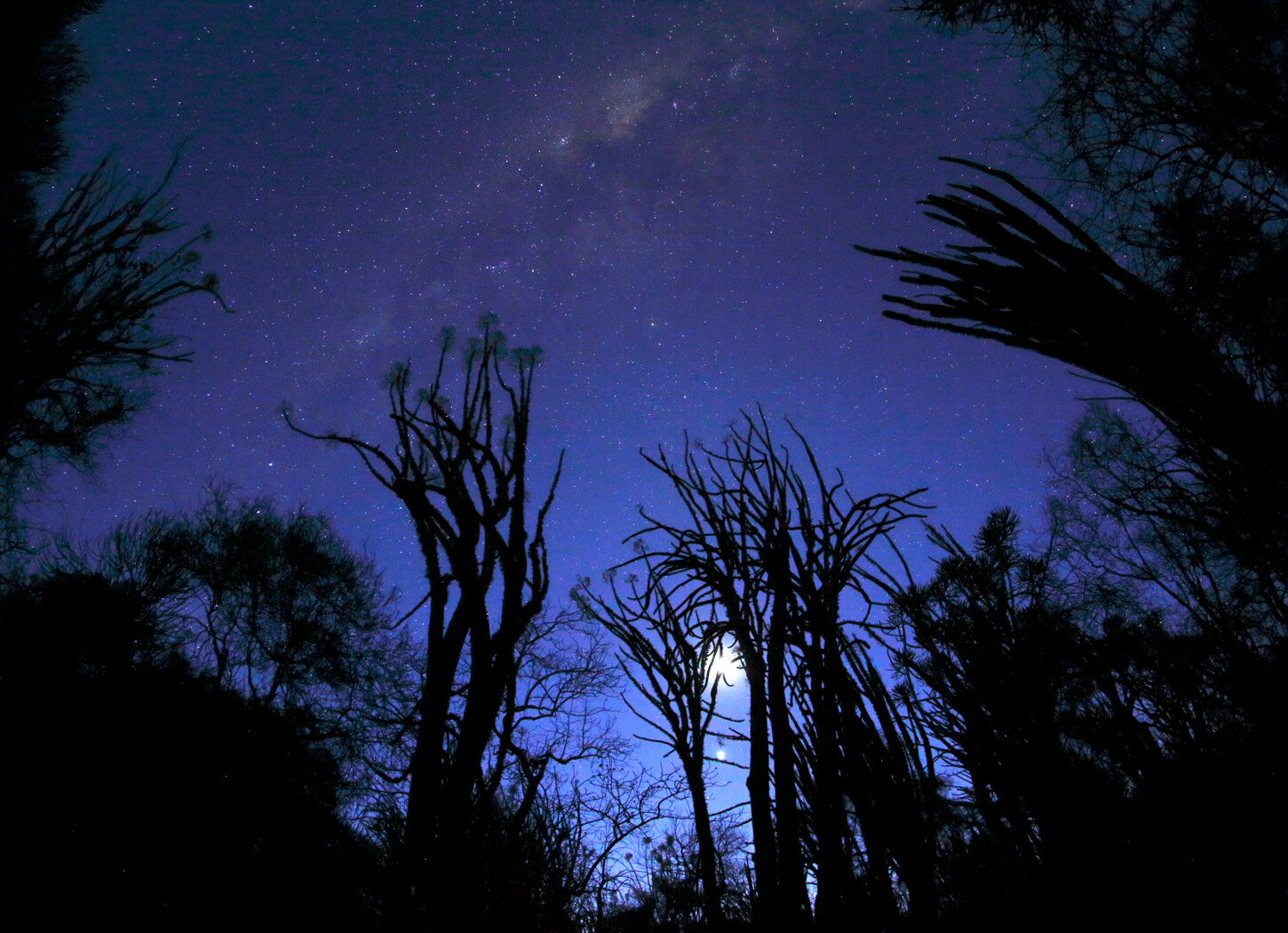
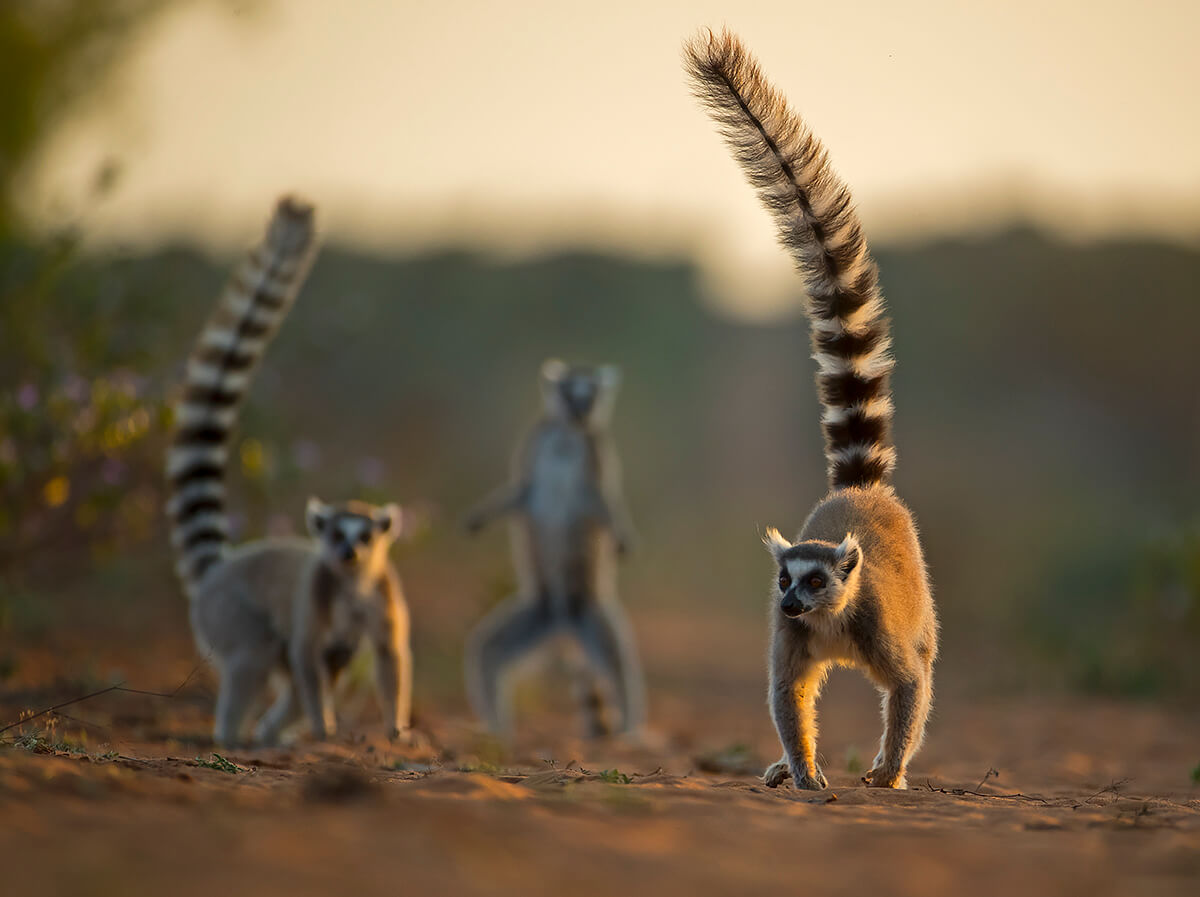
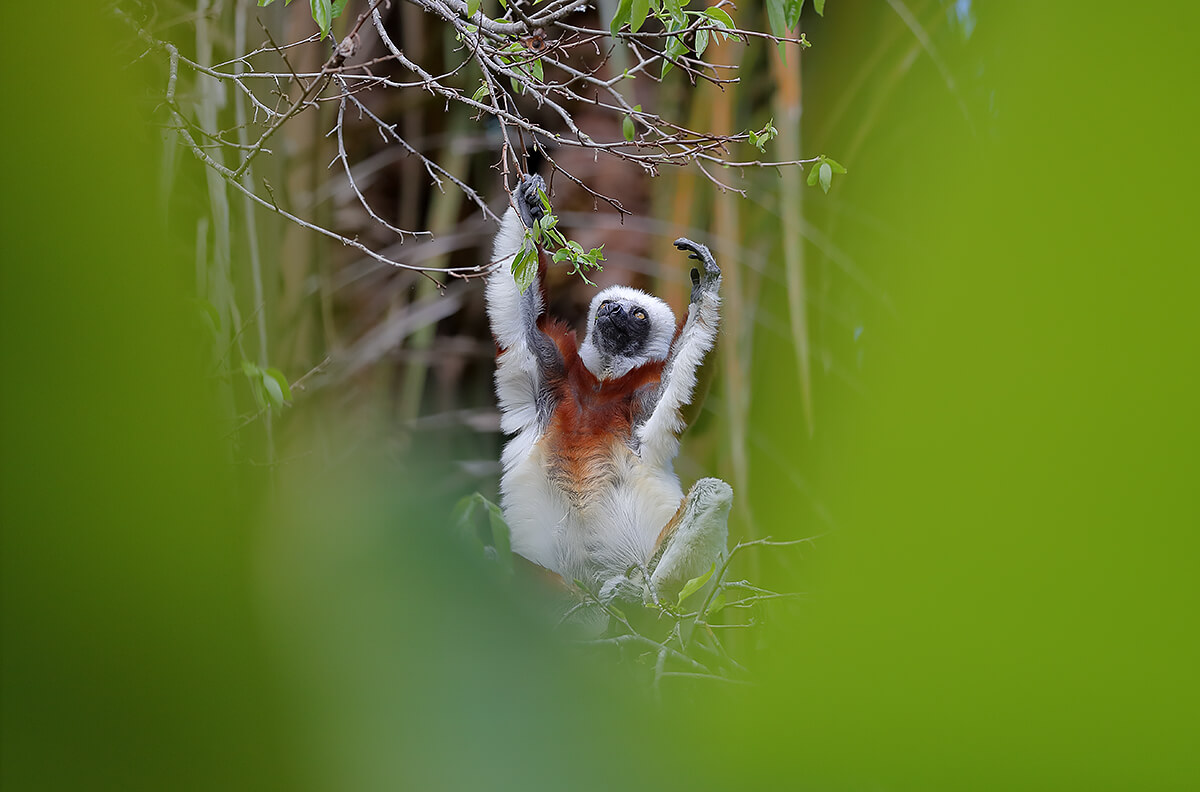
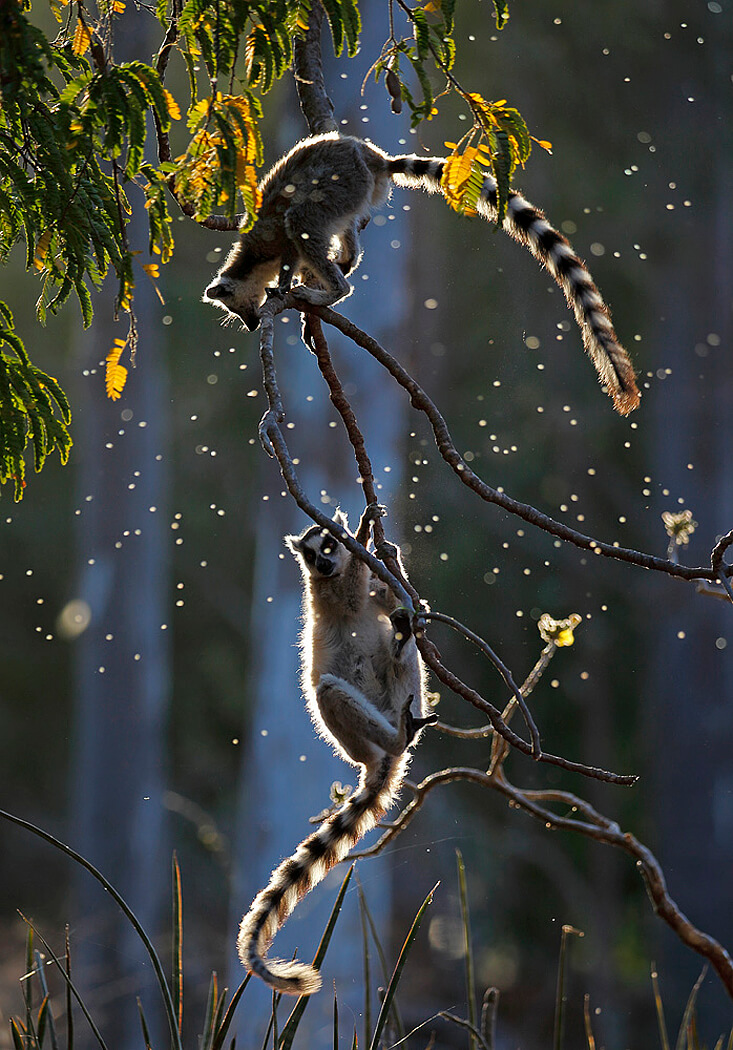
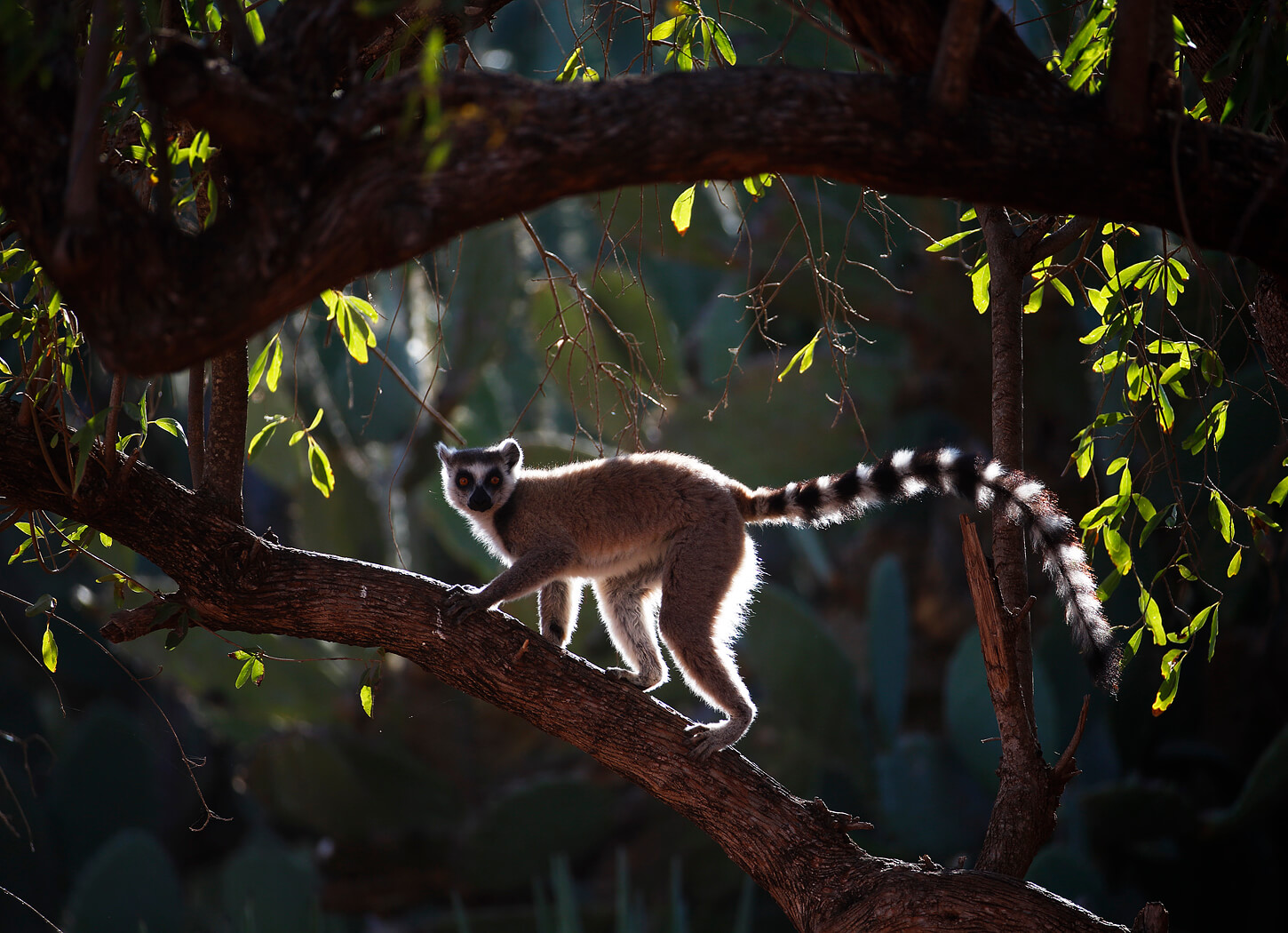
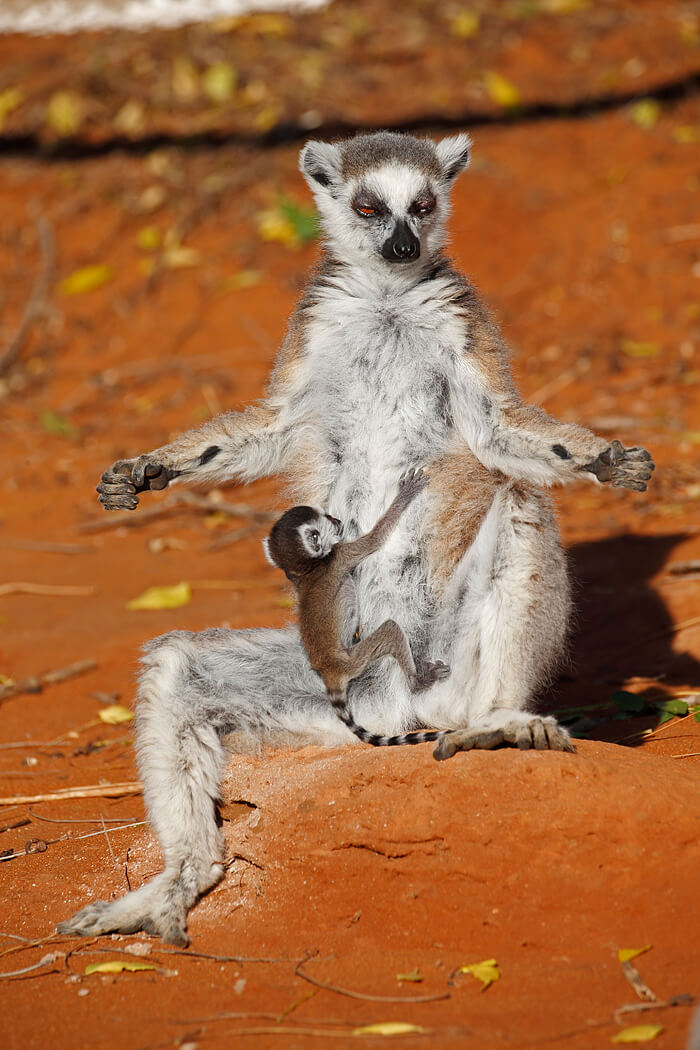
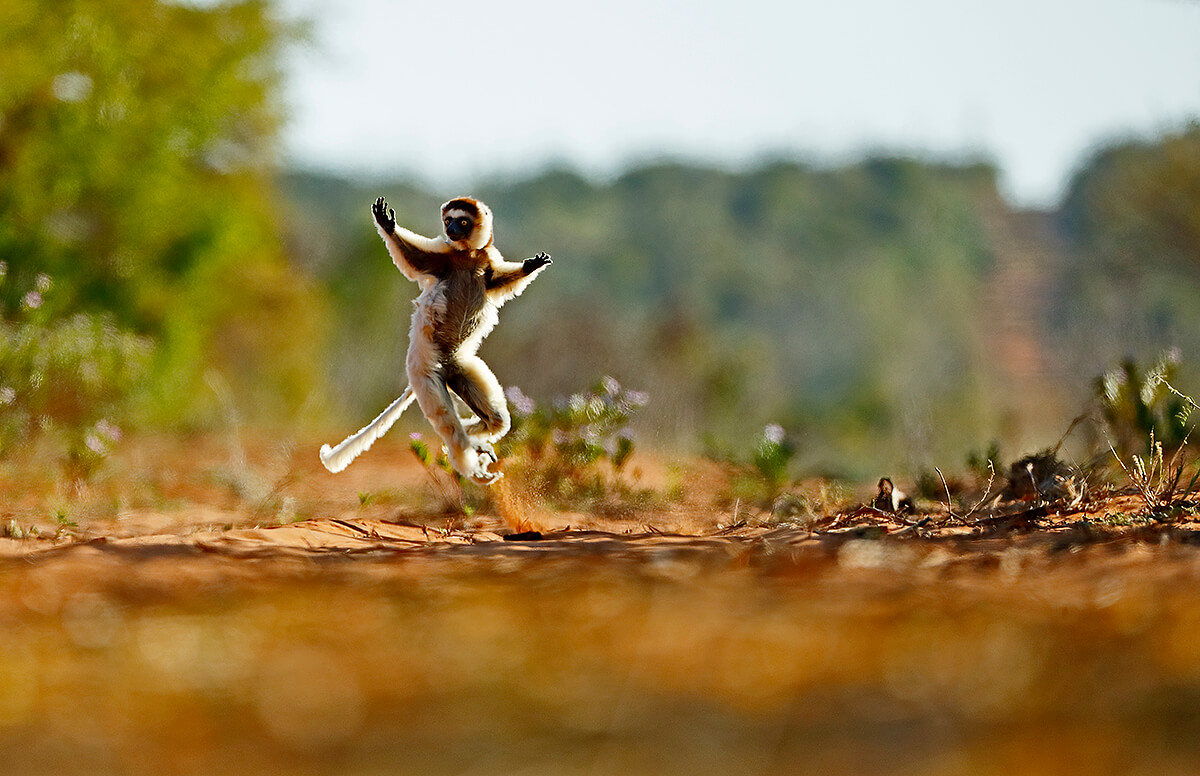
Berenty private reservat: Her finner du de berømte dansende verraux-sifakaene, og her lever kattaene  (ringhalelemurer) med sine lange svart-hvite haler. Torneskog med blekkspruttrær og mektige baobabtrær gjør dette området til noe helt spesielt i verden!

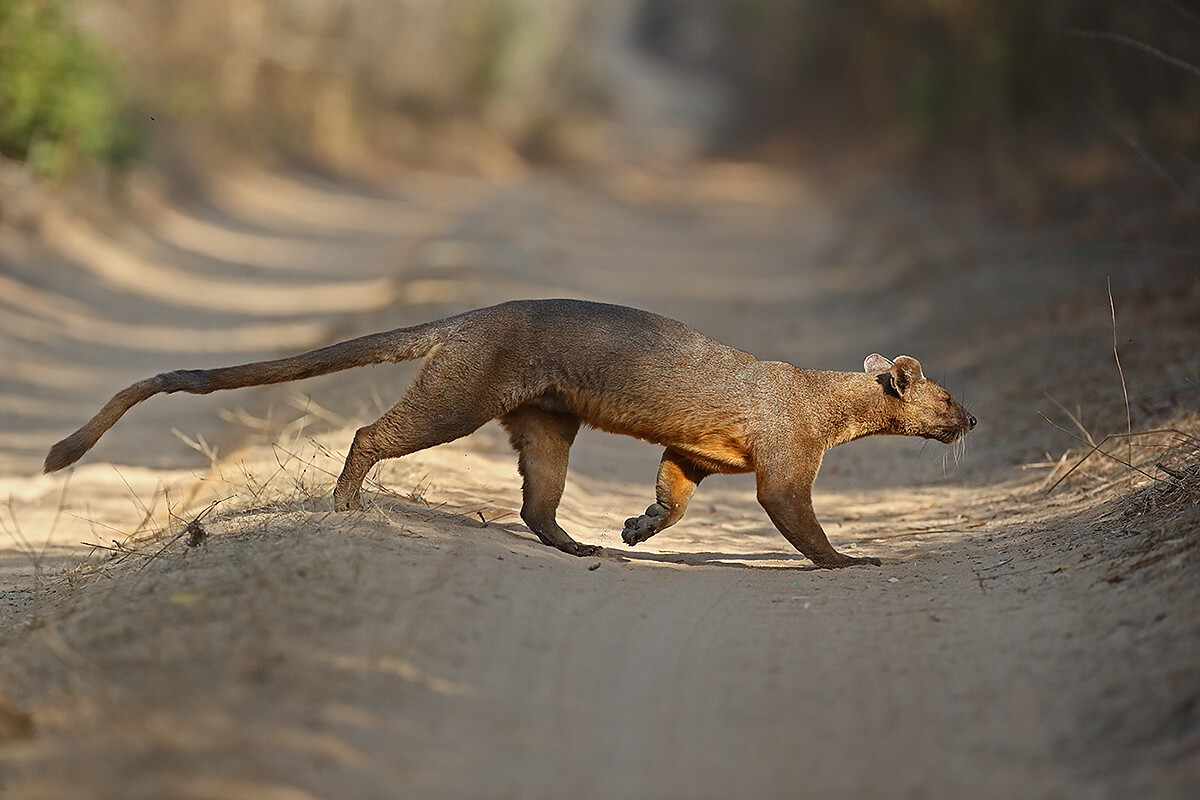
Kirindy nasjonalpark: Ligger i tørr skog på vesktkysten. Mange lemurer og beste stedet for fossa.

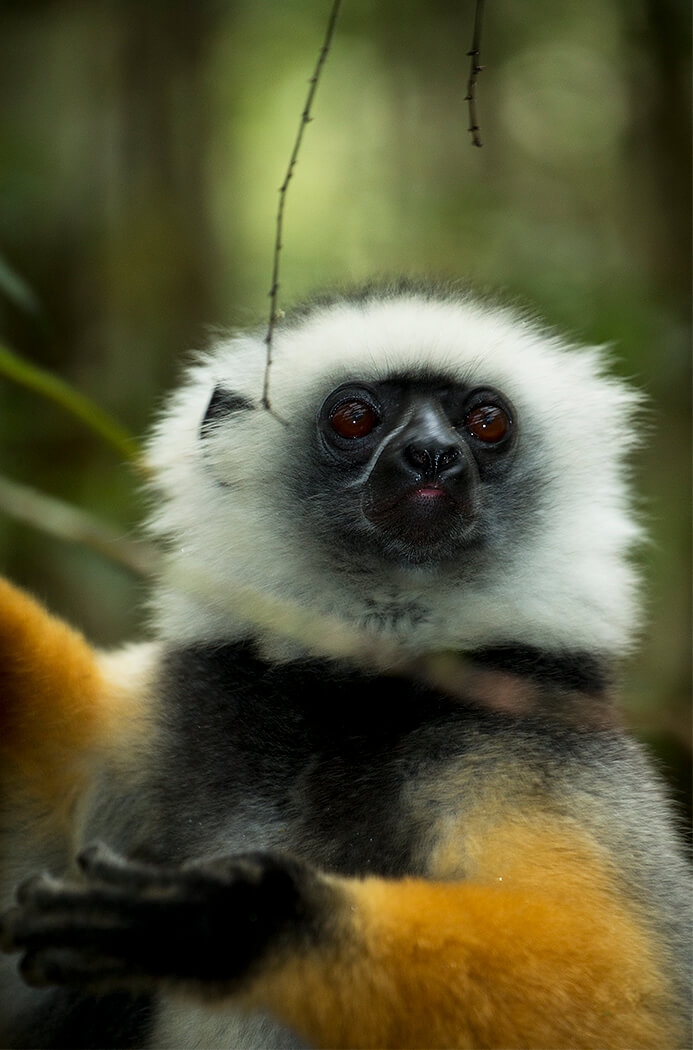
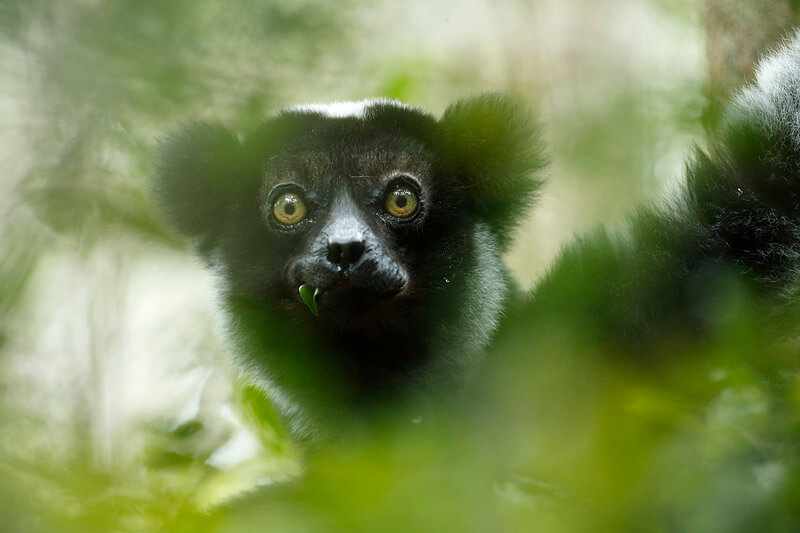
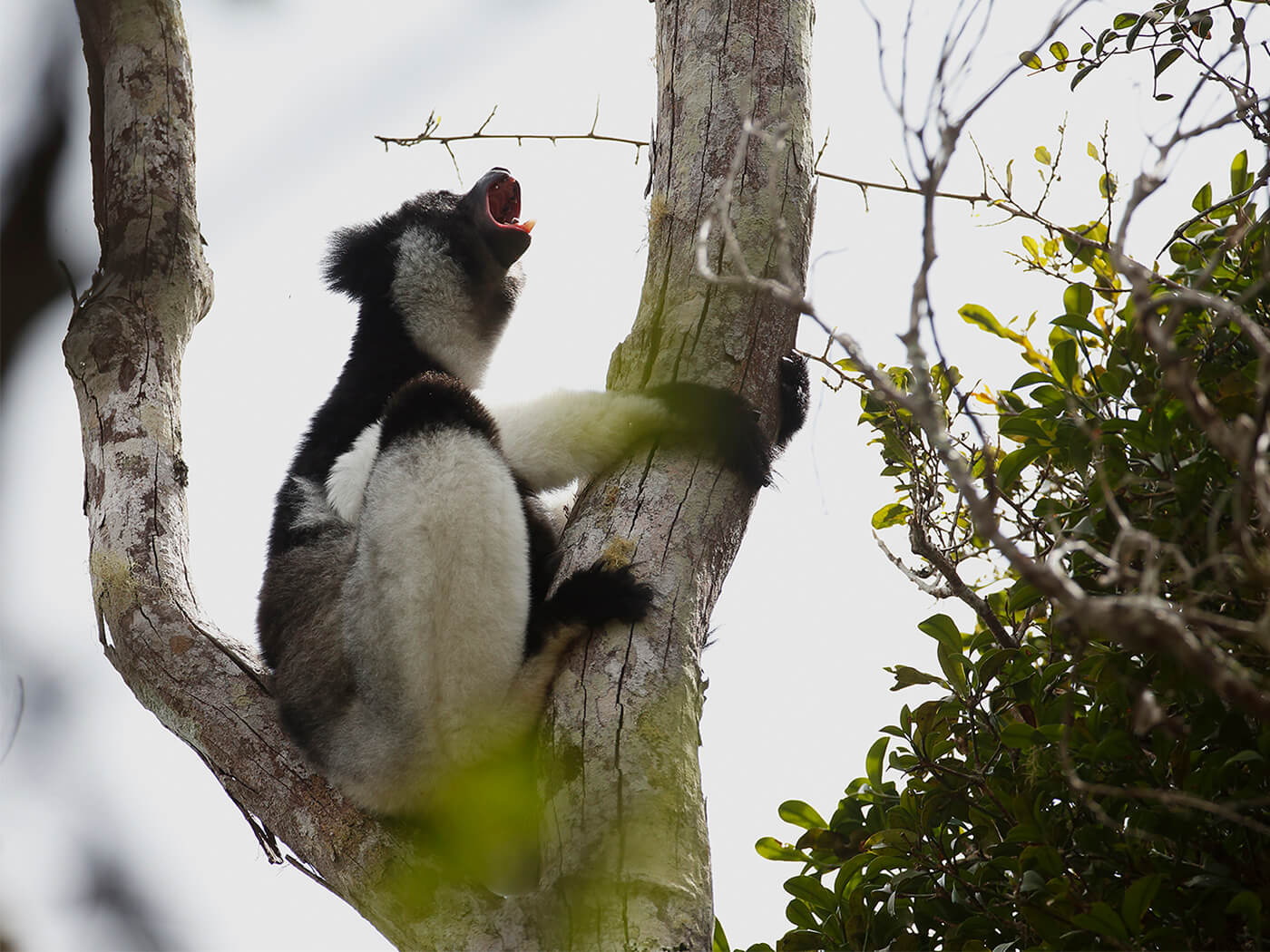
Andasibe nasjonalpark: Regnskog i høylandet. Her fotograferer vi øyas største lemur, indrien, men også diademsifakaen, samt kameleoner og forhåpentligvis godt kamuflerte bladhalegekkoer.

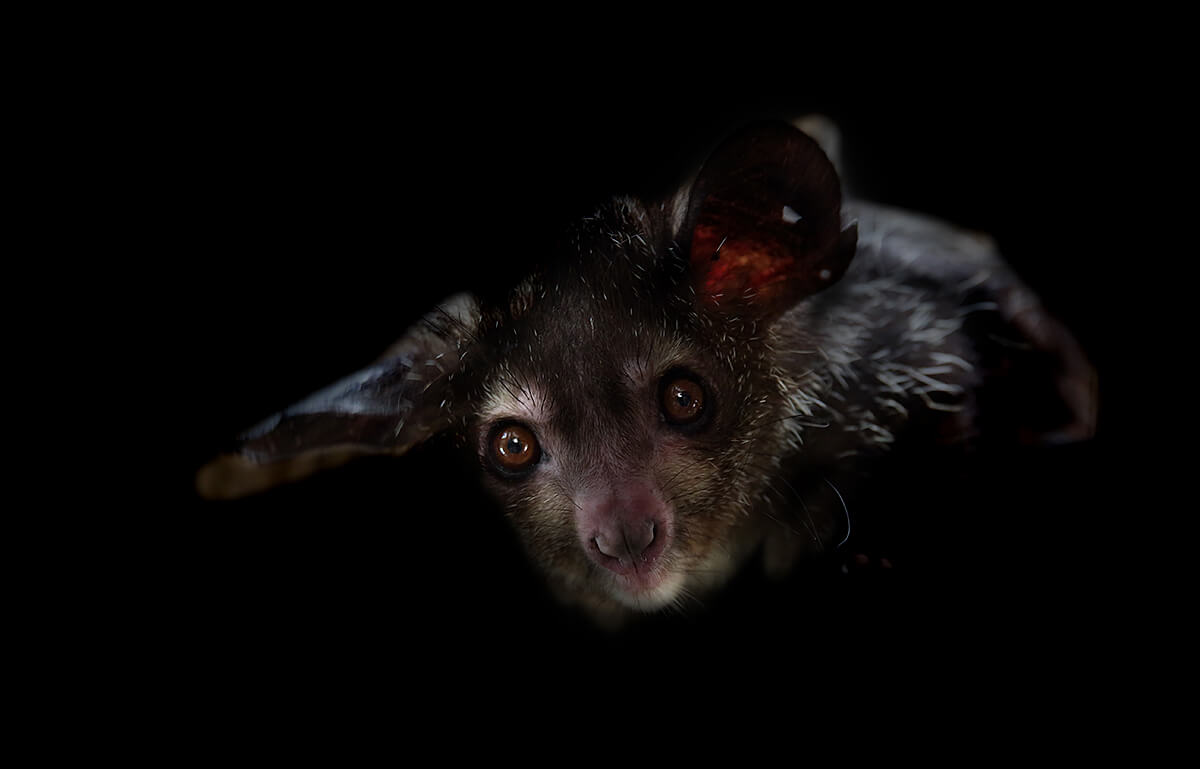
Palmarium: På østkysten. Mange lemurarter. Det beste stedet for å fotografere den unike aye-ayen, den rareste lemuren.
Day 0:

  • Departure from Norway

Day 1: 01.11.2028 ARRIVAL IN ANTANANARIVO

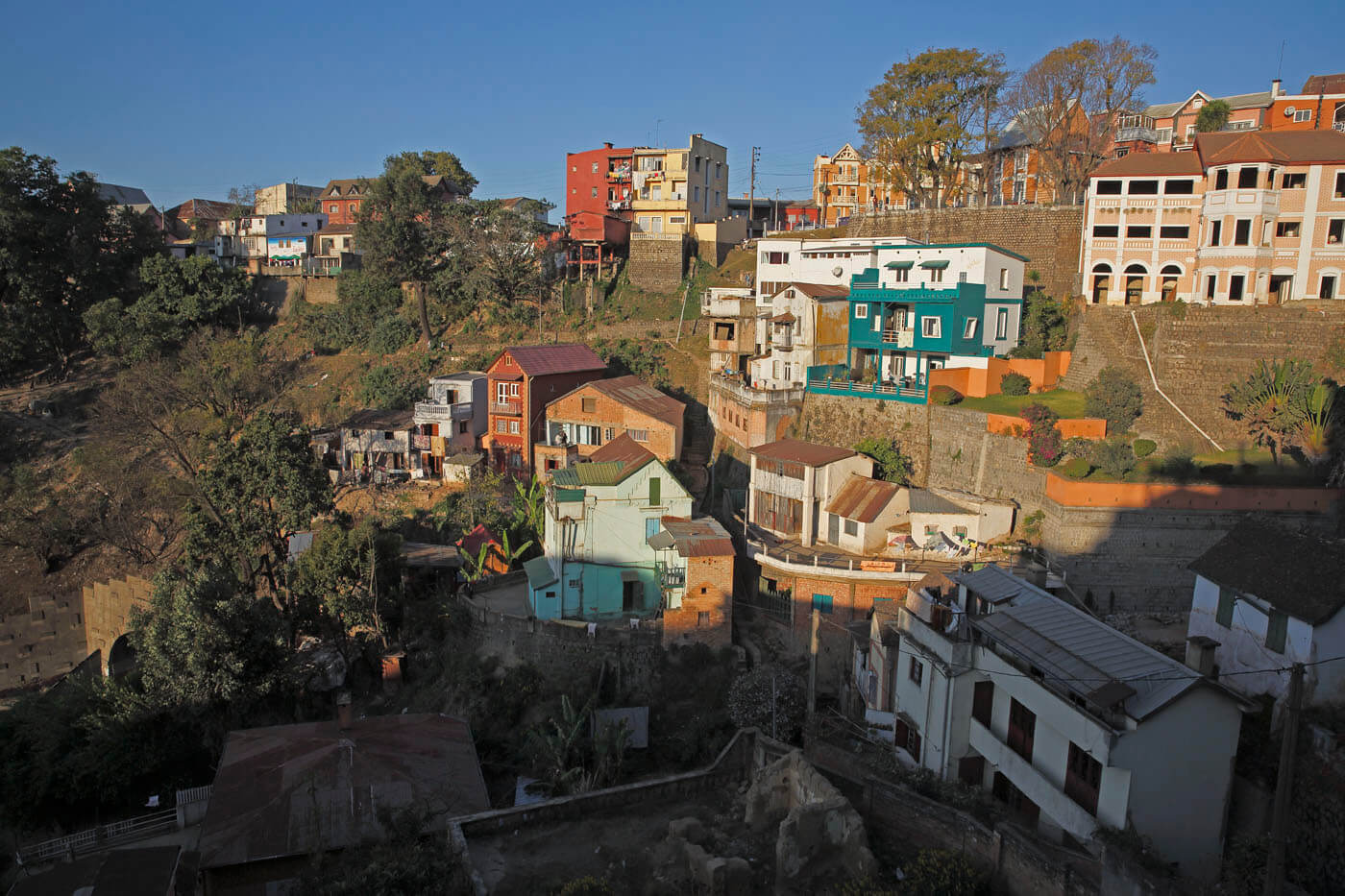
  • We will be met at the airport and transferred to the hotel. Depending on our arrival time, there may be an opportunity to explore the city. Antananarivo, usually shortened to Tana, is a charming city with a distinctive French colonial character, built across a series of hills rising from the highlands. You will experience a very busy city with lots and lots of people!
  • Overnight at LE CHAT’O HOTEL or similar.

Day 2: 02.11.2028 ANTANANARIVO – FORT DAUPHIN (domestic flight) – BERENTY (100 km, approx. 2-hour drive)

  • Breakfast at the hotel.
  • Transfer to the airport for a flight to Fort Dauphin, in the far southeast of Madagascar. We will be met at the airport and driven to the 250-hectare private Berenty Reserve, owned by the long-established De Heaulme family. On the way to Berenty, we pass interesting roadside memorials dedicated to the deceased of the Antanosy people. Along the way, we will see many thorny plants (Alluaudia), and just before reaching Berenty, we will also pass extensive sisal plantations near the town of Amboasary Sud, by the Mandrare River.
  • Overnight at BERENTY LODGE or similar.

 Days 3–4: 03–04.11.2028 BERENTY

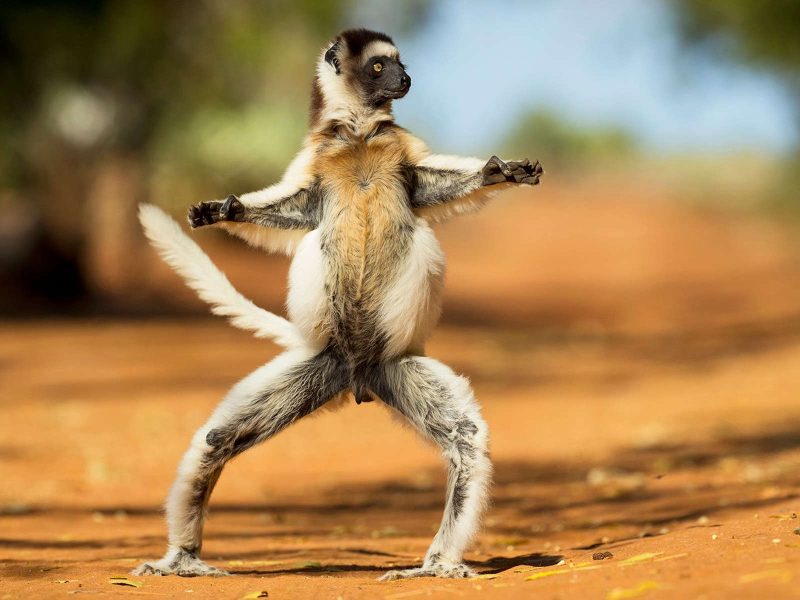
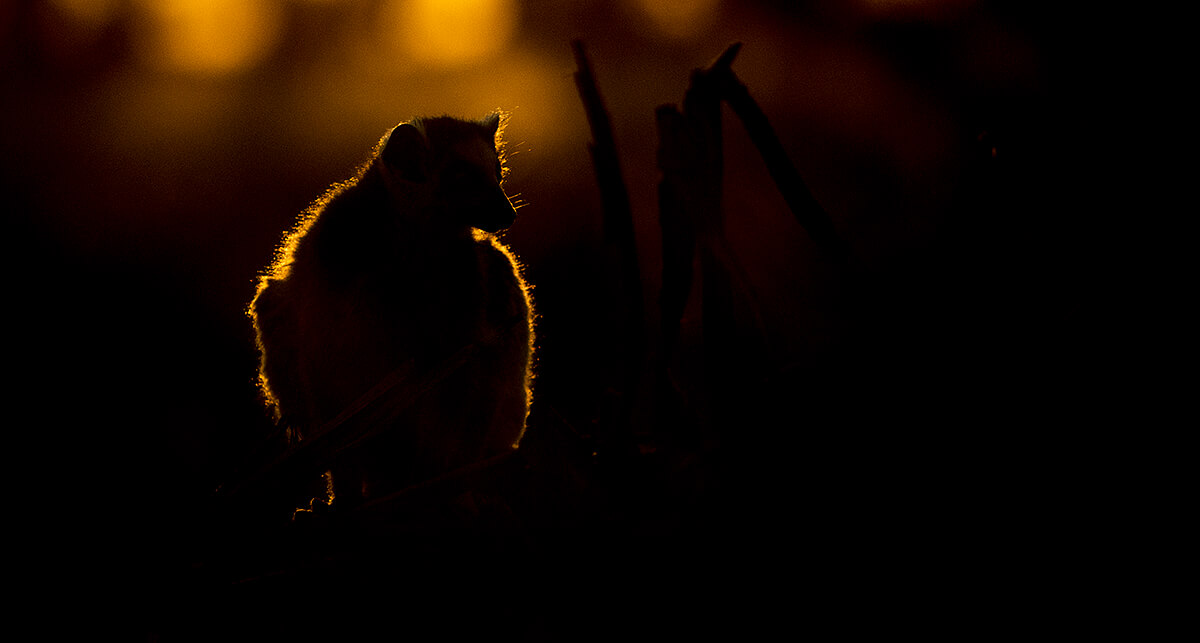
  • After breakfast, we visit the reserve with a local guide. Here we find dry forest along the Mandrare River, succulents and thorny plants, various lemurs (ring-tailed lemurs, sifakas, mouse lemurs, etc.) and birds (couas, vangas, drongos, falcons …). The reserve offers excellent opportunities to observe and photograph groups of lemurs – especially large troops of ring-tailed lemurs (ring-tailed makis) and sifakas, also known as “dancing lemurs”. The latter make wonderful photographic subjects as they leap sideways across the relatively wide trails. Our main focus will be on sifakas and ring-tailed lemurs.
  • You can also explore the area independently with your camera or visit the interesting Arembelo Museum, which provides a fascinating insight into the local community and the culture of the Antandroy people. Next to the museum is a “model village” built in traditional Antandroy architecture, as well as a small garden featuring impressive examples of thorny plants from southern Madagascar.
  • During exciting night excursions, using flashlights, you may encounter mouse lemurs searching for food in the thorn forest. Around 80 endemic bird species inhabit these forests. You may also come across radiated tortoises and various species of chameleons.
  • Overnight at BERENTY LODGE or similar.

Day 5: 05.11.2028 BERENTY – FORT DAUPHIN – ANTANANARIVO (domestic flight)

  • Breakfast at the hotel.
  • Transfer to the airport for a flight to the capital. Upon arrival, we will be met and driven to the hotel.
  • Overnight at LE CHAT’O HOTEL or similar.

Day 6: 06.11.2028 ANTANANARIVO – MORONDAVA (domestic flight) – KIRINDY (45 km, approx. 2.5-hour drive)

  • Breakfast at the hotel.
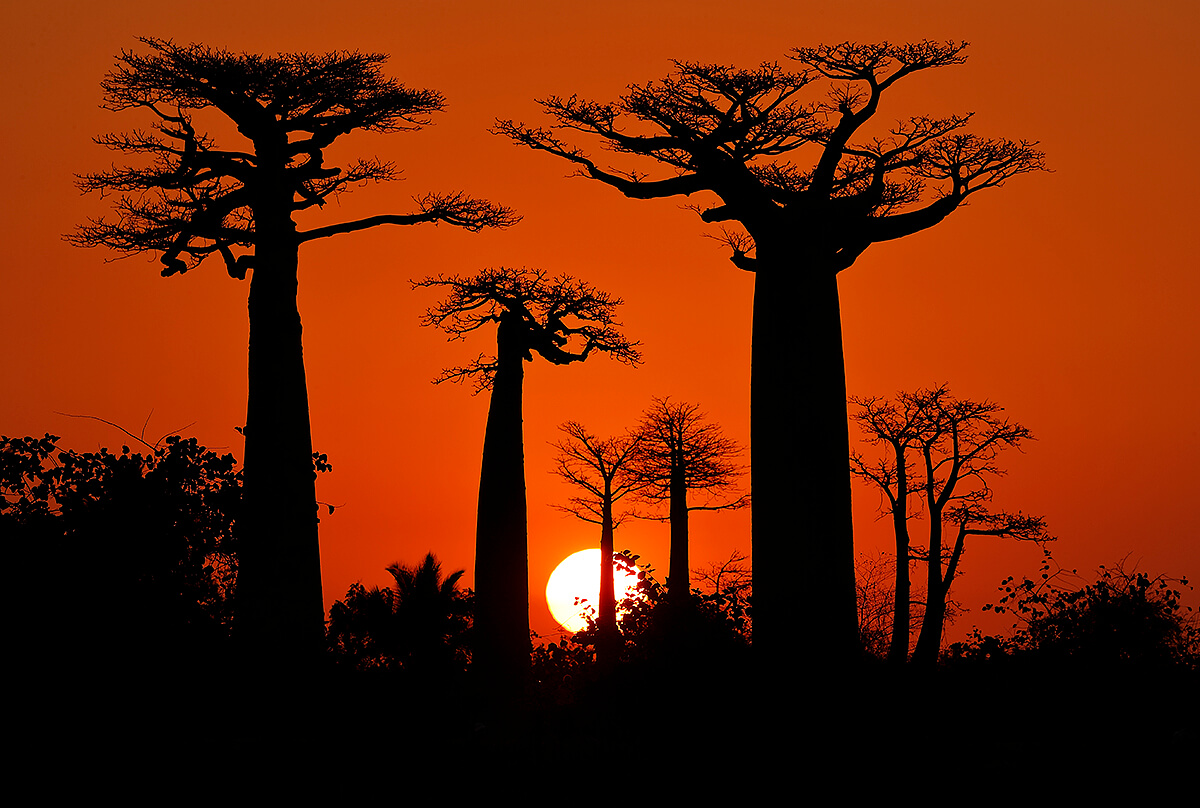
  • Transfer to the airport for a flight to Morondava on the west coast. Upon arrival, we will be met by our driver and travel directly via the famous Avenue of the Baobabs (Allée des Baobabs) to the Kirindy dry forest reserve.
  • Before dinner, we will look for nocturnal lemurs, including mouse lemurs, the Malagasy giant jumping rat, sleeping chameleons, and more.
  • Overnight at RELAIS DU KIRINDY or similar.

Days 7–8: 07–08.11.2028 KIRINDY

  • Breakfast at the hotel.
  • Two days visiting the reserve in the dry forest, looking for lemurs, snakes, iguanas, birds and, hopefully, the fossa, Madagascar’s largest predator. The fossa is related to mongooses but looks more like a small puma with a mongoose-like head. It is the island’s largest predator and, in fact, the only predator capable of hunting adult individuals of all living lemur species. Adult fossas can reach a body length of up to 80 cm and weigh 8.9 kg. This park is the best place in all of Madagascar to see this animal. The chances of encountering these elusive predators are greatest during the mating season between October and December, when they gather for noisy and often aggressive courtship rituals. In other words, exactly the time of year when we will be there…
  • Before dinner, we will once again look for nocturnal lemurs, including mouse lemurs, the Malagasy giant jumping rat, sleeping chameleons, and more.
  • Among the estimated 31 mammal species found in the park, some highlights include one of Madagascar’s most beautiful lemurs, Verreaux’s sifaka (which we will also photograph in Berenty), as well as the world’s smallest primate: Microcebus berthae, a type of mouse lemur, known in Norwegian as Madame Berthe’s mouse lemur. An adult of this species weighs an average of just 33 grams and has a body length of 9.2 cm. Ring-tailed lemurs are also found here, although at low densities.
  • Another interesting animal in the area is the Malagasy giant jumping rat, also known as the Madagascar giant rat. It weighs around 1 kg and resembles a miniature kangaroo. These animals are often prey for both fossas and snakes. To protect themselves, they dig extensive burrow systems, sometimes reaching five metres underground, with up to six entrances that they cover with leaves and soil at night.
  • Overnight at RELAIS DU KIRINDY or similar.

Day 9: 09.11.2028 KIRINDY – MORONDAVA

  • Breakfast at the hotel.
  • We drive back to Morondava, stopping at the Avenue of the Baobabs for photography at sunset. It is magical to see these giant trees silhouetted against the red evening sky! After that, there is just over half an hour’s drive to our destination.
  • Overnight at LAGUNA BEACH or similar.

Day 10: 10.11.2028 MORONDAVA – ANTANANARIVO (domestic flight)

  • Breakfast at the hotel.
  • Transfer to the airport for the flight back to the capital, followed by a drive to the hotel.
  • Overnight at Hotel Belvedere or similar.

Day 11: 11.11.2028 ANTANANARIVO – ANDASIBE (145 km, approx. 4-hour drive)

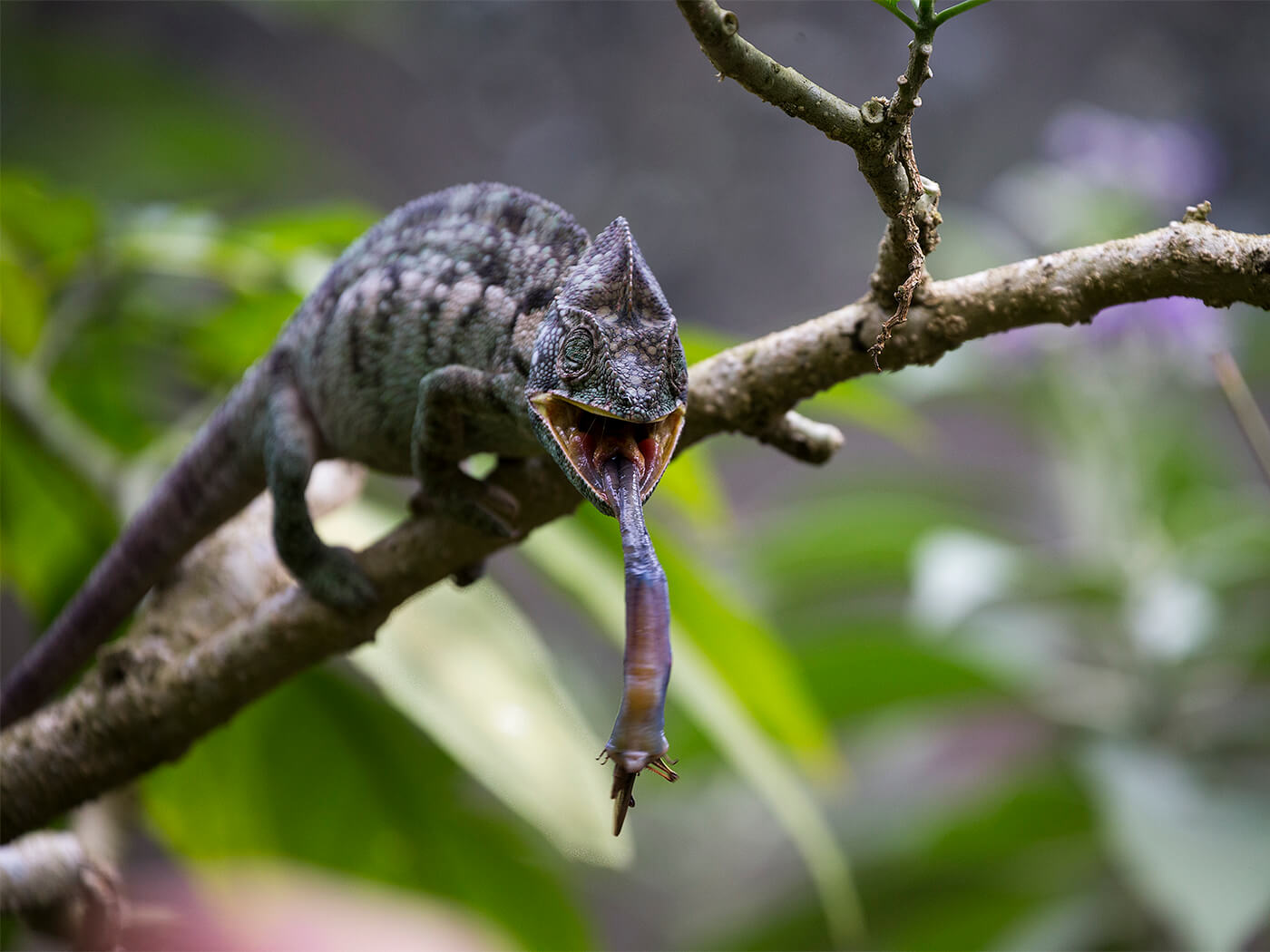
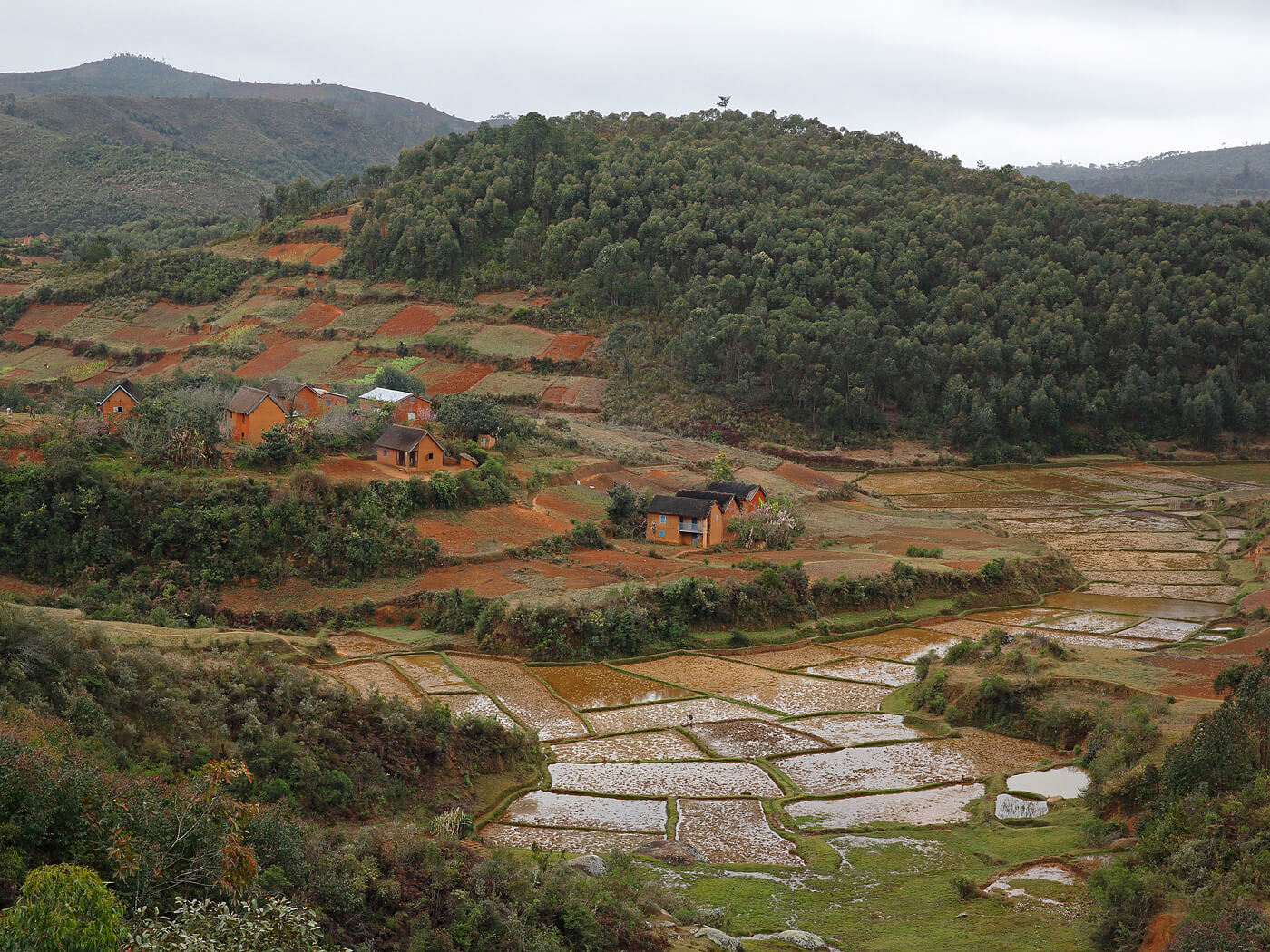
  • After breakfast, we drive to Andasibe through a landscape of rice fields, waterfalls and scattered woodland. Along the way, we stop at Exotic Park in Marozevo, where we can photograph many chameleons and other reptiles. Madagascar is home to around half of the world’s estimated 150 chameleon species. The largest is around 70 cm long, while the smallest is no bigger than a fingertip.
  • We continue to Andasibe. Before dinner, we head out for an evening walk along the road to look for nocturnal wildlife. With a little luck, we may see various nocturnal lemurs and other animals. We then return to the hotel for the night.
  • Overnight at MANTADIA LODGE or similar.

Day 12: 12.11.2028 VISIT TO ANDASIBE

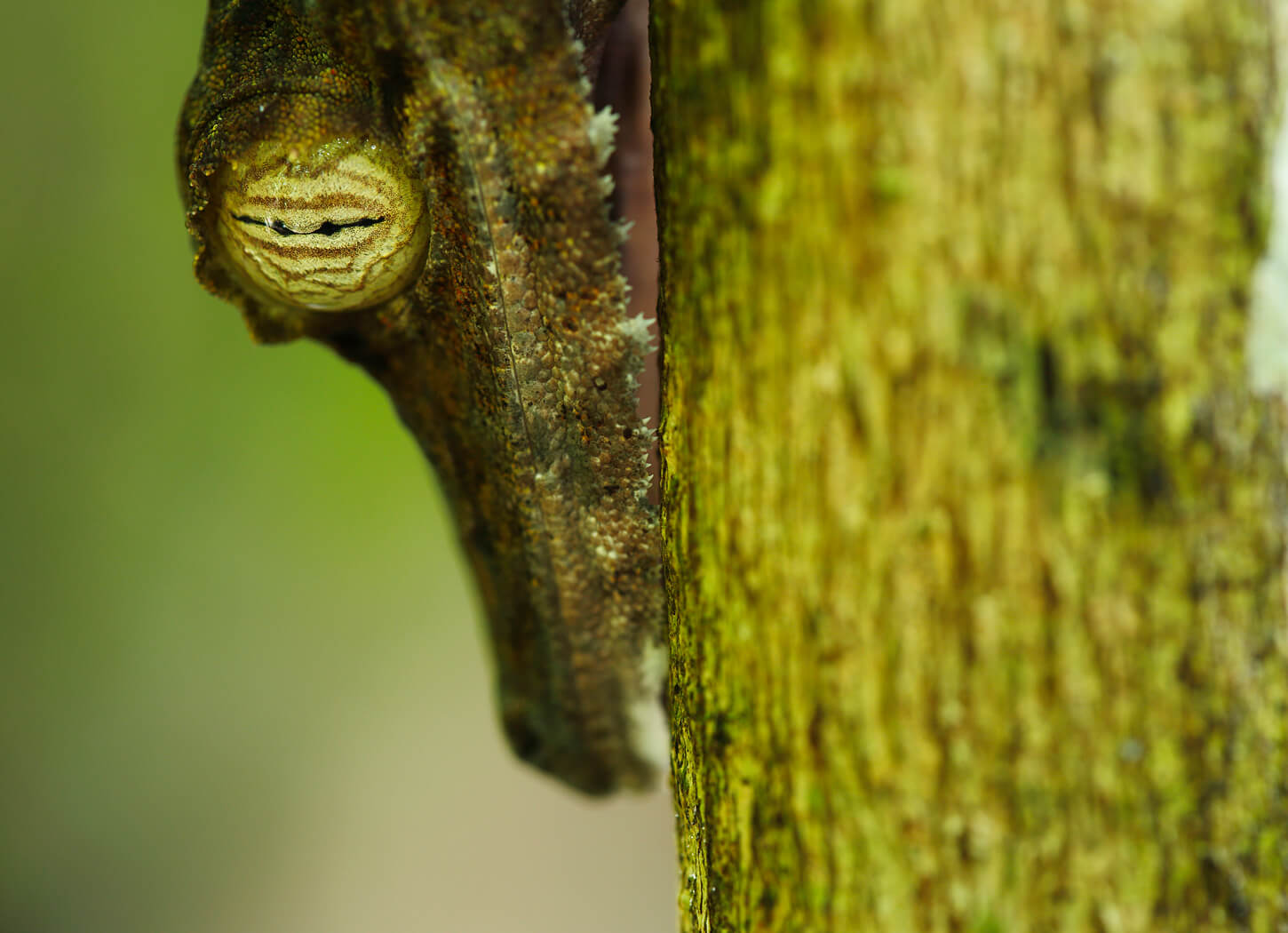
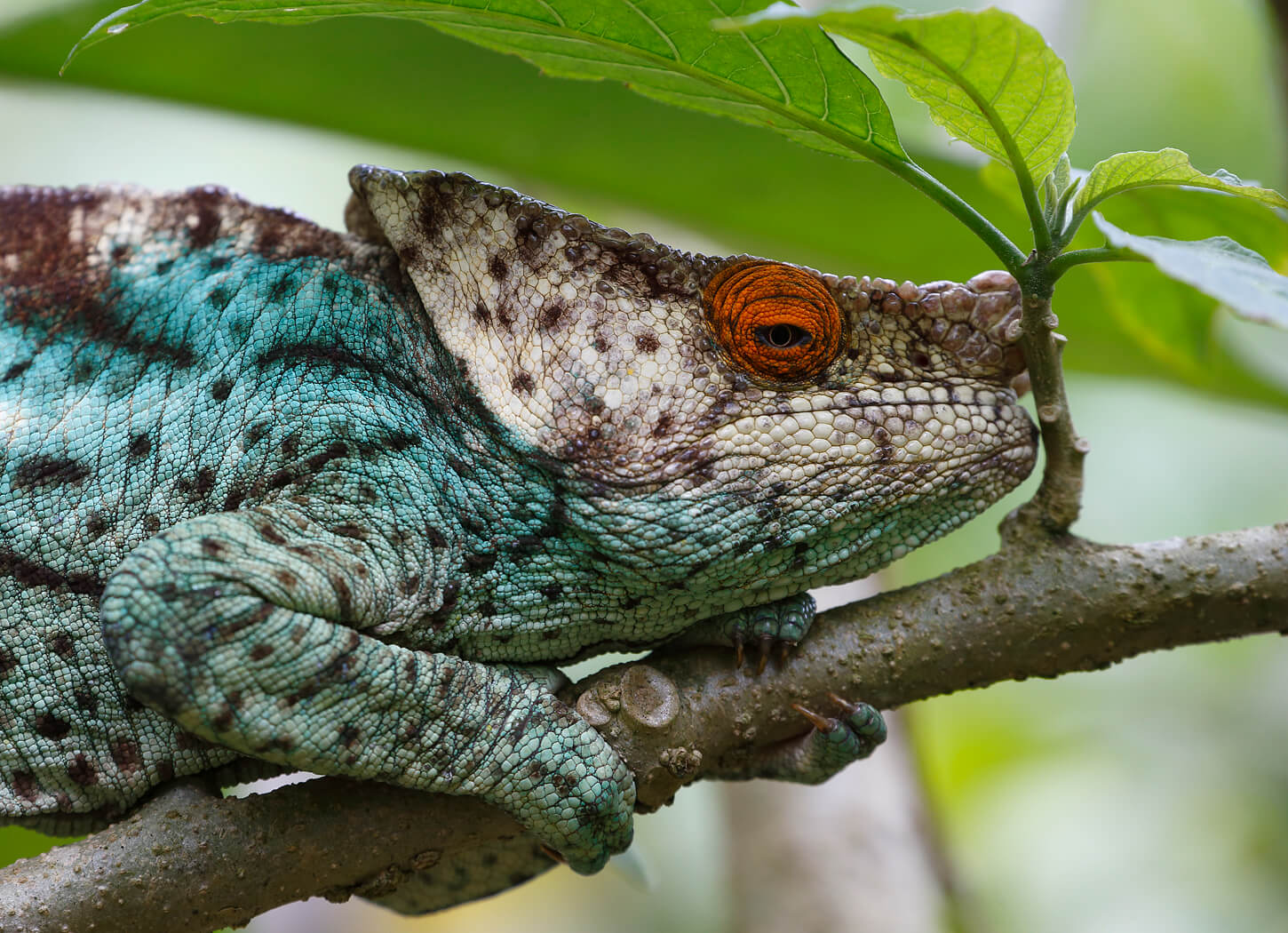
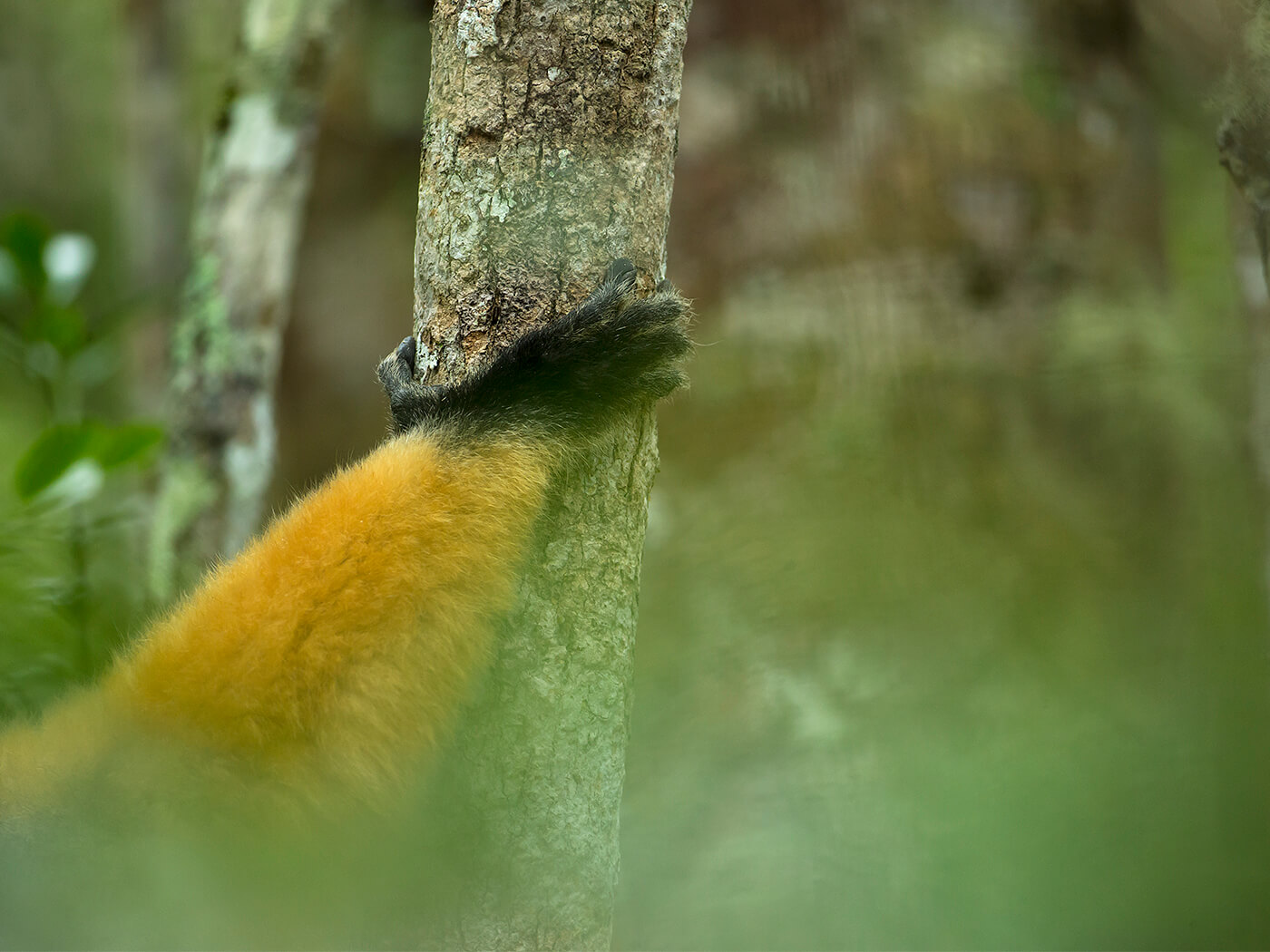
  • We will spend the entire day in Andasibe National Park (often referred to as Mantadia-Andasibe National Park). This is rainforest located at approximately 1,000 metres above sea level. Here we will photograph the indri, the largest lemur on the island. Several groups are habituated, meaning they have become accustomed to people. The indri is around 80 cm tall and has an incredibly powerful voice. When indris call, they sound like several saxophones playing together – or perhaps like whale song. Their calls can be heard from several kilometres away, making for a truly impressive experience. The park is also home to the beautiful diademed sifaka, which we hope to photograph as well. We will also very likely encounter the Parson’s chameleon, the largest of the chameleon species, as well as the well-camouflaged leaf-tailed gecko Uroplatus.
  • After dinner, we go on an evening walk with torches to look for nocturnal lemurs, including mouse lemurs. A total of 14 lemur species, 108 bird species, 51 reptile species and 84 amphibian species have been recorded in the park. Most of these are found nowhere else in the world but Madagascar – in other words, they are endemic species.
  • We will also visit Vakona’s “lemur island”, where you can take close-up photographs of lemurs.
  • Overnight at LONGOZA LODGE or similar.

Day 13: 13.11.2028 VISIT TO ANDASIBE

  • After breakfast, we set off on a full-day excursion into the primary forest of Mantadia National Park. With a little luck, we may spot several diurnal lemur species, such as the black-and-white ruffed lemur, diademed sifaka, brown lemur, eastern grey bamboo lemur and red-bellied lemur, as well as various endemic bird species. We then return to the hotel.
  • Overnight at LONGOZA LODGE or similar.

Day 14: 14.11.2028 ANDASIBE – PALMARIUM (125 km on paved roads, followed by 7 km on a gravel road – approx. 5.5 hours by car in total – then around 1.5 hours by boat along the canal)

  • After breakfast at the lodge, we drive approximately 113 km along National Road 2, through areas characterised by sugar cane and fruit plantations around Brickaville. After a few kilometres, we turn right onto a seven-kilometre gravel road leading to Manambato, a resort that was once very popular. Here we board a covered motorboat and travel along the Pangalanes Canal (approx. 20 km) to the hotel, beautifully situated in Akanin’ny Nofy by Lake Ampitabe.
  • Here we will visit the aye-aye lemurs. These distinctive animals live on a small island and are monitored around the clock. In the evening, when we search for aye-ayes, coconuts are placed between two tree trunks. We can then observe how the animals use their beaver-like teeth to open the coconuts and dig out the contents with their long middle fingers.
  • The aye-aye, or fingered lemur, has teeth like a rabbit, ears like a bat, fur like a wild boar, a tail like a badger and a long, skeletal-looking middle finger that probes holes and cracks in tree bark in search of insect larvae. Many local people fear this small, ghost-like animal and kill it whenever they get the chance. According to local superstition, the aye-aye can kill people in their sleep by severing the main artery. It is also believed to foretell illness, death and misfortune in the family.
  • Overnight at PALMARIUM HOTEL or similar.

Day 15: 15.11.2028 PALMARIUM

  • A full day to explore the surroundings of the hotel by Lake Ampitabe. Among other things, you can visit the private Palmarium Reserve, which is home to a wide variety of lemurs – an experience that can be combined with a several-hour hike. Alternatively, you can explore the area on foot or by canoe. We will also make another visit to the island of the aye-aye lemurs.
  • Overnight at PALMARIUM HOTEL or similar.

Day 16: 16.11.2028 AKANIN’NY NOFY – MANAMBATO – ANTANANARIVO (approx. 1.5 hours by boat along the canal, followed by approx. 272 km – 8 hours or more – by car)

  • After breakfast, we travel by motorboat along the Pangalanes Canal to Manambato, before continuing by car back to Antananarivo.
  • Overnight at Hotel Belvedere or similar.

Day 17: 17.11.2028 ANTANANARIVO – DEPARTURE

  • Breakfast at the hotel.
  • Transfer to the airport for the journey home.

PRIS: 65 000,- (med forbehold om endringer)

Tillegg for enkeltrom: ca. 7000,-

Antall plasser: 12

Betingelser: Depositum kr. 15 000,- pr. deltager ved påmelding. Depositum er ikke refunderbart annet enn ved legeattest.

Inkludert:

  • Transport til og fra flyplass.
  • Overnatting av mellomklasse, inkludert fullpensjon under hele reisen.
  • Inngangsavgifter til nasjonalparker og reservater.
  • Lokale guider i nasjonalparker og reservater.
  • Transport med hotellbåt (det kan være andre passasjerer om bord): Manambato – Akanin’ny Nofy – Manambato.
  • Leie av firehjulstrekker (4×4) for turen fra Morondava til Kirindy og tilbake.
  • Leie av buss for turen fra Antananarivo til Andasibe og tilbake.
  • Engelsktalende guide gjennom hele reisen.
  • Sjåførens godtgjørelser og drivstoff.
  • Turistskatt og merverdiavgift (mva.)

Ikke inkludert:

  • Internasjonale flyreiser og tilhørende flyplassavgifter.
  • Innenlandsflyvninger med flyplassavgifter: Tana – Fort Dauphin – Tana // Tana – Morondava – Tana (ca. 1200 € til 1800 € per person; prisene kan endres, og det gjelder «liberty»-billettklasse).
  • Visumavgift (35 € for opphold på inntil 15 dager).
  • Øvrige måltider og drikkevarer.
  • Personlige utgifter.
  • Personlig reiseforsikring som dekker uforutsette hendelser som ulykker, tyveri, skade på bagasje, avbestilling osv.
  • Driks

Utstyr:
På Madagaskar kan du får brukt for hele ditt arsenal av fotoutstyr. Selv om lemurene er tillitsfulle, kan de holde til høyt oppe i trekronene. Brennvidder fra 400-600mm kan derfor være en fordel. En mindre zoom i størrelsesorden 100-500mm er veldig hendig. Det er mange muligheter for makrobilder, så en 100mm eller 200mm makro bør du ha med. Likeså 24-70 eller 16-35, samt blits for eventuell nattfotografering.  Ta også med stativ. Lap-top bør medbringes, slik at man kan laste over bildene. Ta med mange minnekort. Vi skal gå i regnskog, så fjellstøvler er å anbefale, samt regndress. Hodelykt er viktig.

Visum:
Visum kreves på Madagaskar. Sjekk denne adressen: https://www.ivisa.com. Passet må være gyldig minst 6 måneder før utløpsdatoen.

Vaksiner:
Det anbefales å ta malariatabletter. Sjekk det lokale smittevernkontoret for øvrige vaksiner.

Tips (Suggested)

Service Suggested Amount
Guide ~€15/day (solo); ~€2/person/day in a group from 6 persons
Driver ~€7.50/day (solo); ~€1/person/day in a group from 6 persons
Park guide ~€5 total, per satisfaction
Chambermaid €0.50–1/day
Restaurant ~5% of the bill
Airport porter Fixed rate; ~1,000 Ar/bag

Tip in Ariary where possible — euro/dollar coins cannot be exchanged in Madagascar.

Nivå:
Dette er ikke et fotokurs, så deltakerne bør ha fotoerfaring. Reiselederne vi imidlertid øse av sine fotokunnskaper. Egner seg for alle nivåer, fra amatør til profesjonell fotograf. På denne turen går vi kortere turer til fots i regnskog. Du må kunne bære din egen fotoutrustning.

Reiseledere: Baard Næss (90 88 44 14) og Tom Schandy (95 97 91 95)

Registration

Fill out the form and we’ll get in touch!

Interesse opplevelse english

Other tours